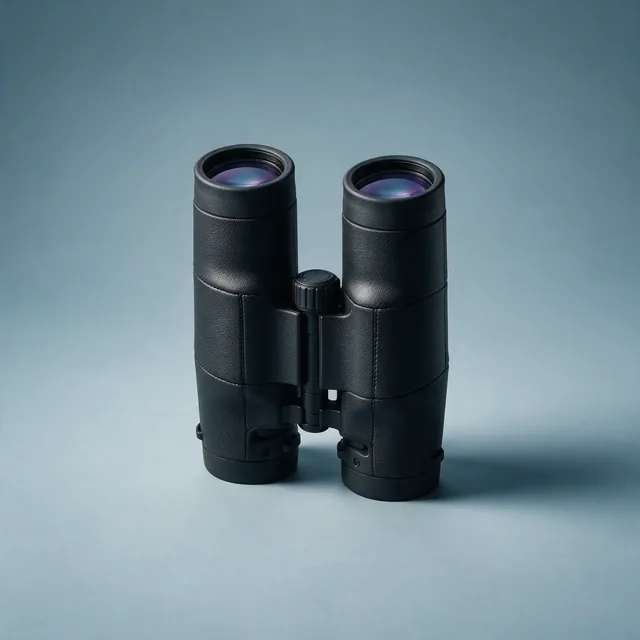
Binoculars around 10x50
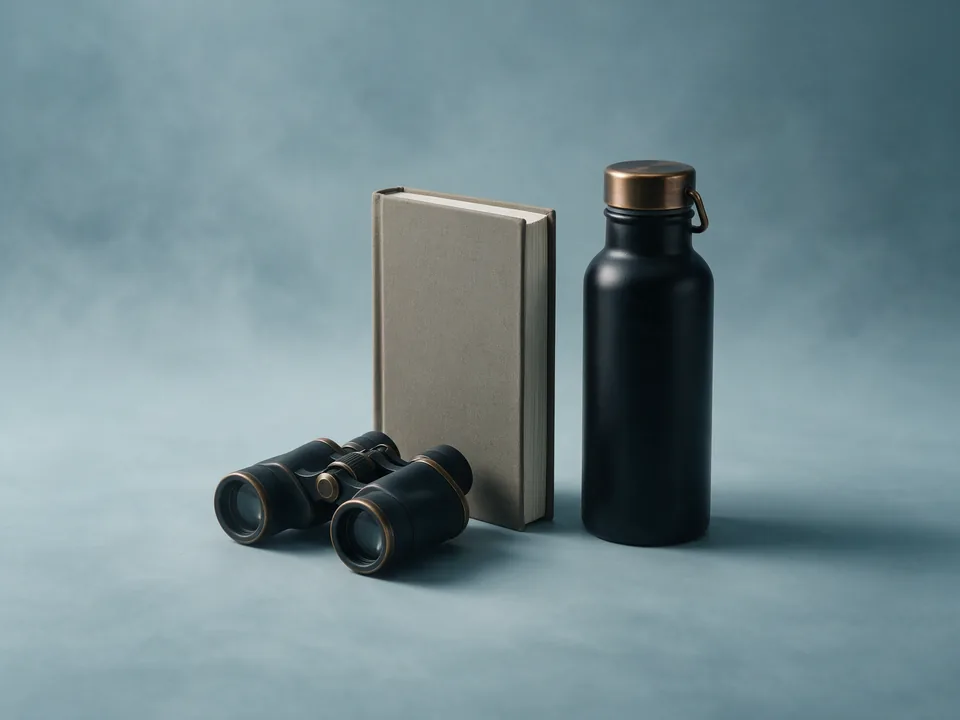
Wide, bright, and steady enough to hold. They show craters, star clusters and the moons of Jupiter, and they get used for birds and landscapes in daylight too.
Some links on this page go to Amazon. If you buy through one we earn a small commission, at no extra cost to you. It never changes what we recommend or the order we put things in. Photographs here are illustrations of the kind of thing described, not pictures of a particular product.
Start here, and skip the cheap telescope entirely.
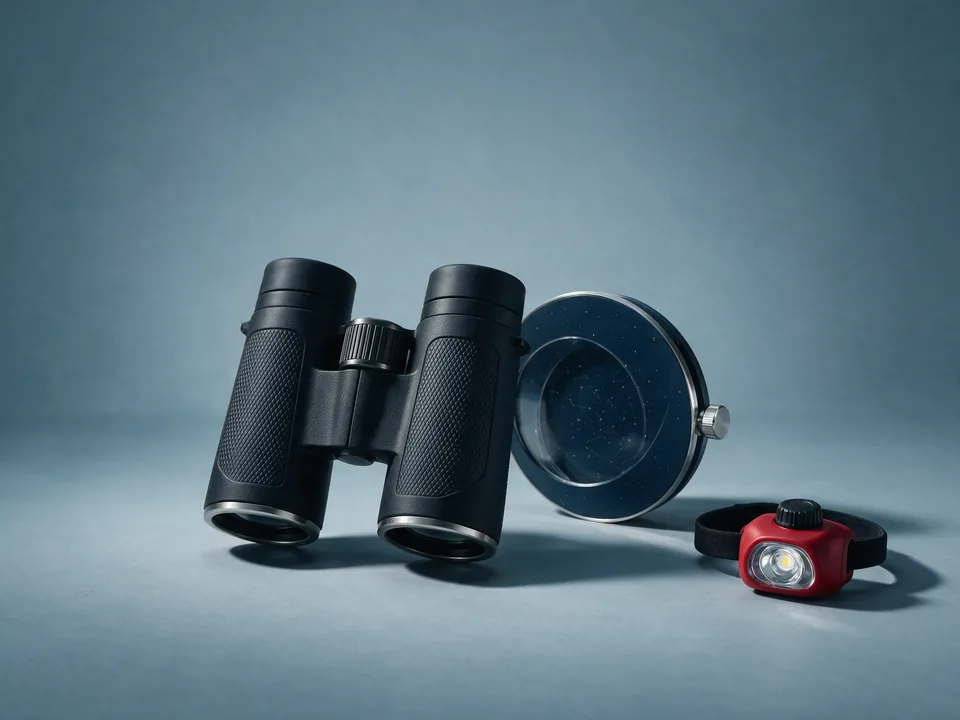
Wide, bright, and steady enough to hold. They show craters, star clusters and the moons of Jupiter, and they get used for birds and landscapes in daylight too.
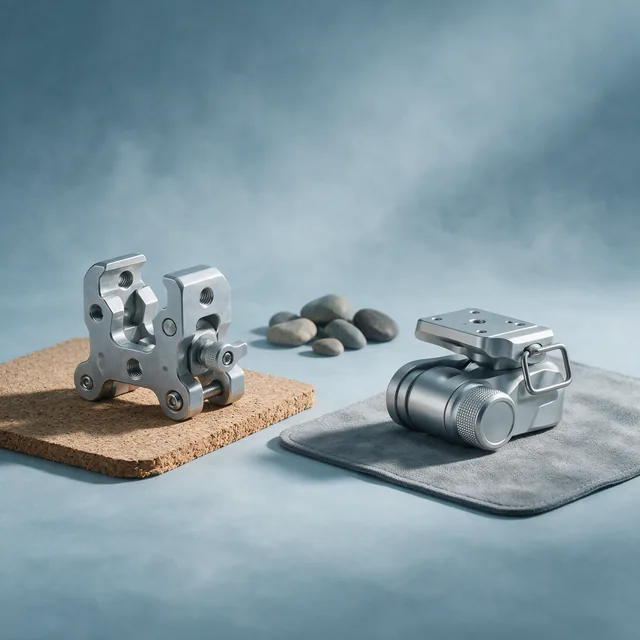
Handheld binoculars shake at exactly the magnification that matters. A cheap adapter and any tripod doubles what can be seen.
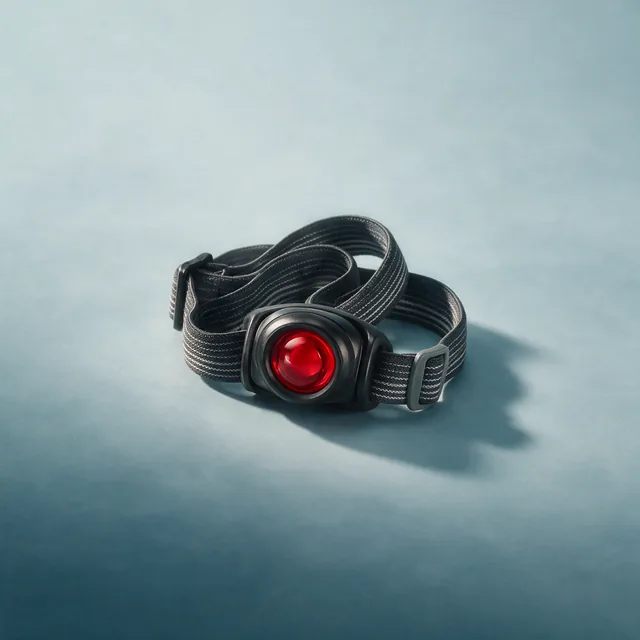
White light destroys night vision for twenty minutes. A red mode keeps the eyes adapted and is the single cheapest improvement to any night out.
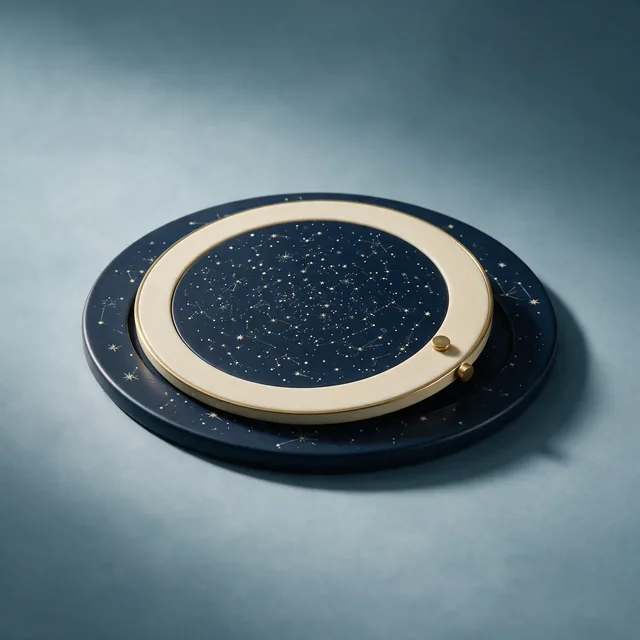
A rotating star chart set to the date and time, with no battery and no screen. It teaches the sky in a way an app never quite manages.
Astronomy is mostly an exercise in being warm and patient.
Looking up while standing gives a stiff neck in ten minutes. A chair that leans back is the reason someone stays out for two hours instead of twenty minutes.
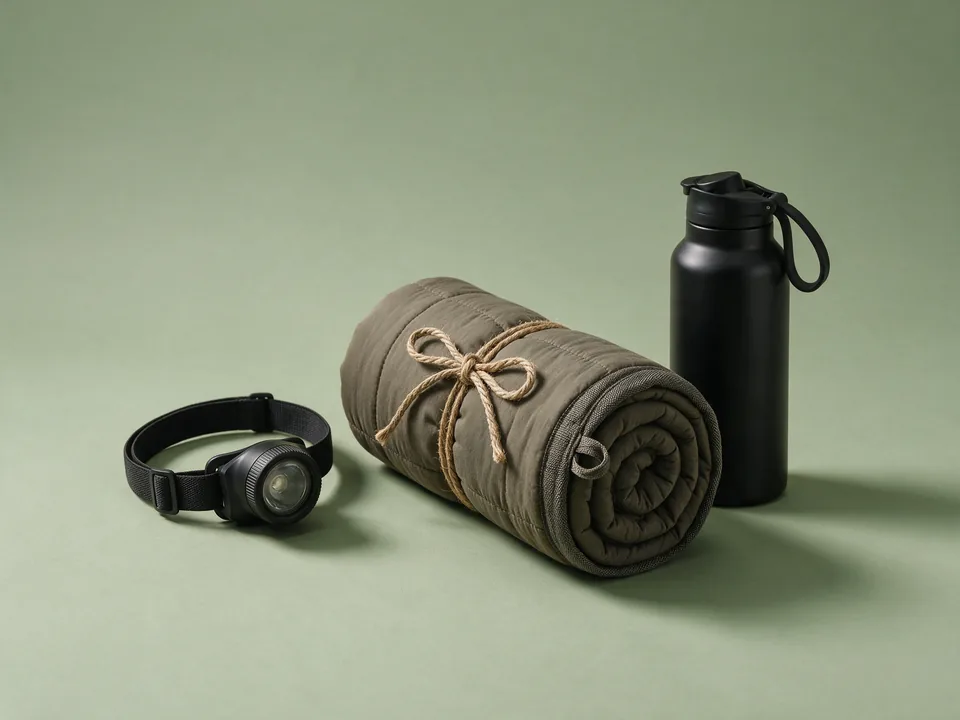
Standing still on a clear night is far colder than walking. A down or synthetic jacket a size up over everything else is the practical answer.
The unglamorous half of the hobby. A hot drink at midnight is what makes the difference between an ordeal and an evening.
Fingers on cold metal focusers is the specific complaint. Rechargeable ones can be used all winter and cost very little.
For someone who already owns the equipment.
A night in a dark sky area shows more than any new equipment. Book somewhere with no streetlights and let the sky do the work.
Access to other people's telescopes, an observing site, and someone to ask. It is the fastest route from casual interest to real skill.
A proper atlas outlasts every app and teaches the sky by region. Choose one aimed at binocular or small telescope users rather than photography.
Monthly sky charts, what is visible when, and equipment reviews written by people who observe. It keeps a hobby active through cloudy months.
Beyond the first night out.
Sketching what was seen teaches the sky faster than photographing it.
First photos through their own optics, with the phone they already own.
For showing someone else exactly which star. Check local rules before buying.
The full moon is genuinely too bright through optics. A cheap filter fixes it.
Optics fog on clear nights, which are the only nights worth observing.
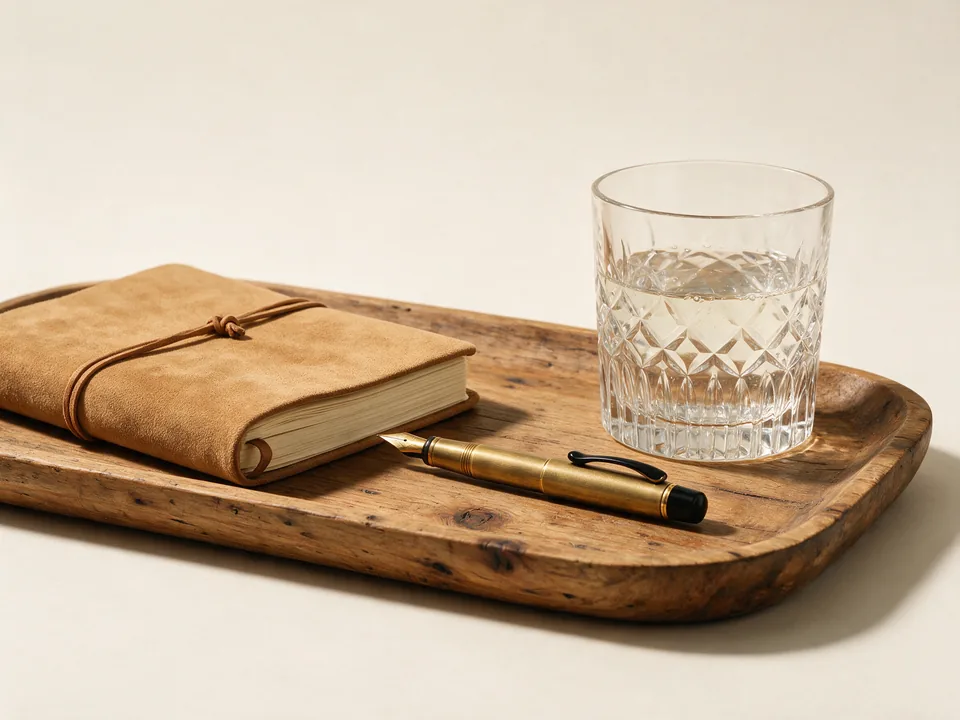
Sessions blur together without notes, and the log is what turns looking into learning. A plain ruled book and a soft pencil is all it takes.
Turns a star app red so night vision survives. Costs almost nothing.
Binoculars and eyepieces survive car journeys better in foam.
Put in the date and see how long you have, and the last sensible day to order each kind of gift.
We'll remind you about a month ahead, which is enough time to plan a clear night rather than hope for one.
The first surprise in astronomy is that a cheap telescope is worse than good binoculars. Department store telescopes wobble on flimsy mounts, magnify too much, and put more people off the hobby than they bring into it.
The second is that most of the difficulty is comfort and darkness rather than optics. Being warm, being able to sit, and having a red light instead of a white one is what turns twenty shivering minutes into two absorbing hours.
If they are already equipped, the good gifts are about where they observe: a dark sky trip, a membership to a society with a proper site, or a chart of a sky that means something to them.
Not a cheap one. Inexpensive telescopes on wobbly mounts are difficult to aim and disappointing to look through, and they end up in a cupboard. Good binoculars at around 10x50 show more and get used far more often.
Binoculars, a red head torch and a planisphere. That combination costs a fraction of a telescope and it teaches the sky, which is the part that has to come first.
Night vision takes about twenty minutes to develop and a moment of white light resets it. Red light lets someone read a chart and keep the sensitivity they have built up.
Buy comfort or darkness instead of optics: a reclining chair, warm layers, a society membership, or a night somewhere genuinely dark. All four improve observing more than another accessory.