A jigsaw with a genuinely random cut
Cheap puzzles use a grid cut where every piece is nearly identical, which makes them tedious rather than difficult. A proper random cut is the difference between a good puzzle and a chore.
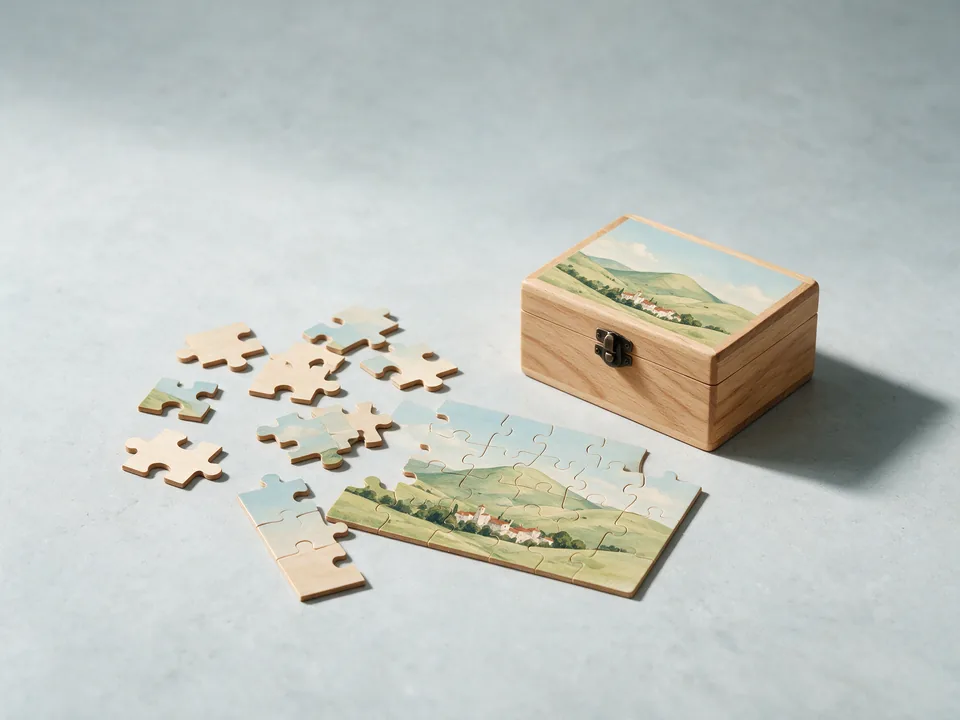
Some links on this page go to Amazon. If you buy through one we earn a small commission, at no extra cost to you. It never changes what we recommend or the order we put things in. Photographs here are illustrations of the kind of thing described, not pictures of a particular product.
Where quality of manufacture matters more than the picture.
Cheap puzzles use a grid cut where every piece is nearly identical, which makes them tedious rather than difficult. A proper random cut is the difference between a good puzzle and a chore.
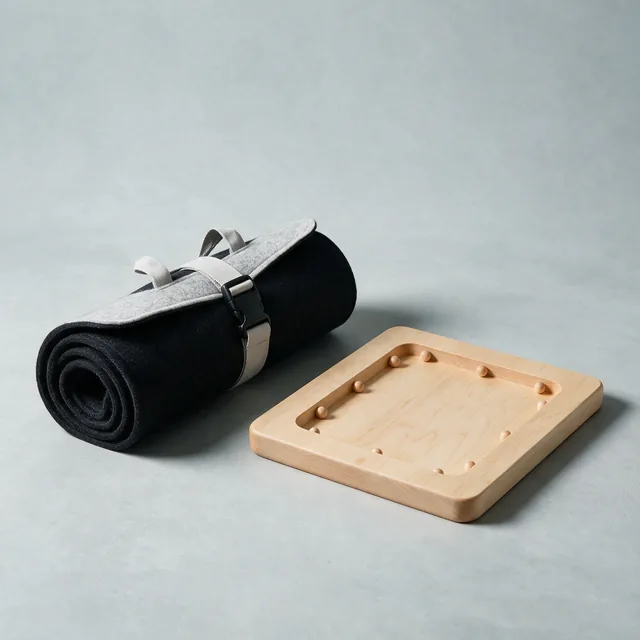
Lets a big jigsaw leave the dining table between sessions. It is the accessory that makes large puzzles possible in a house that also needs to eat.
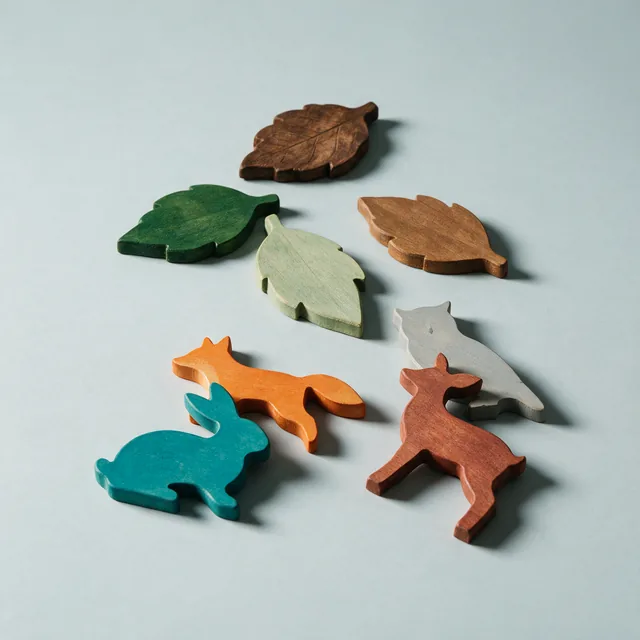
Laser-cut wood with shaped pieces hidden in it. Expensive, slow, and the sort of thing a serious jigsaw person keeps rather than passes on.
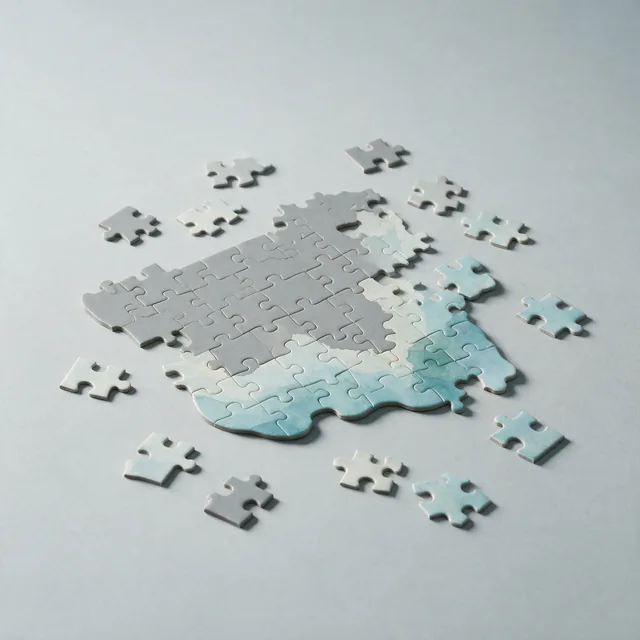
Their town, a map, a place they lived. It gets attention that a generic landscape does not, and some makers will print from a photograph.
For the hands rather than the page.
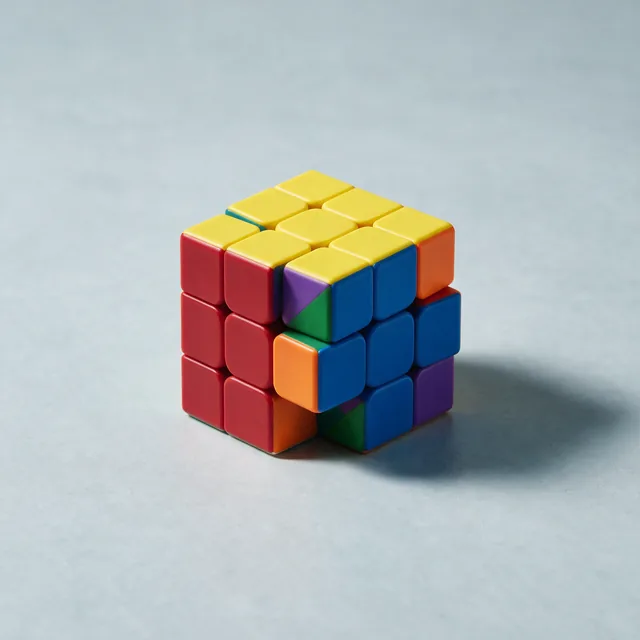
Modern cubes are magnetized and adjustable and bear no relation to the stiff ones from decades ago. Even a casual solver notices immediately.
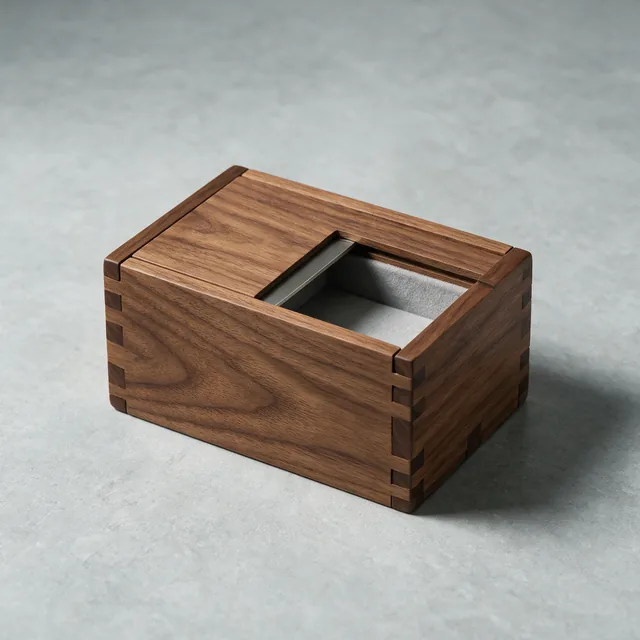
Wooden or metal, solved once and then handed round. It suits people who like a problem they can hold.
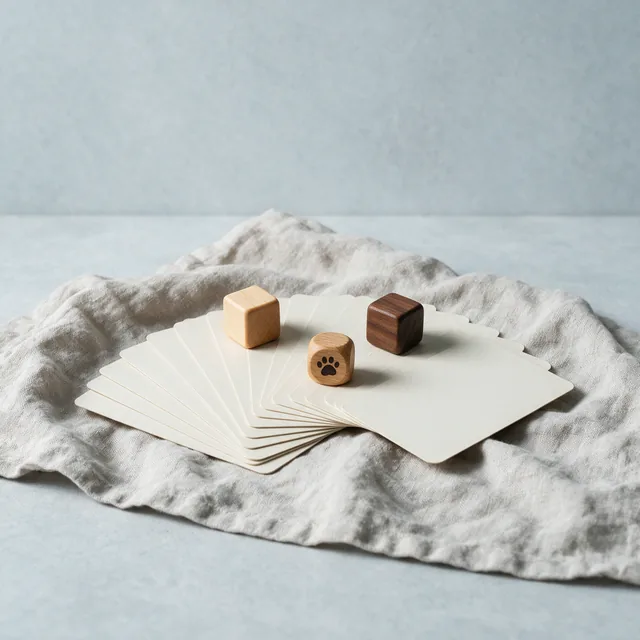
An escape-room-in-a-box or a legacy puzzle game. It turns a solitary interest into an evening with other people, which is often the missing piece.
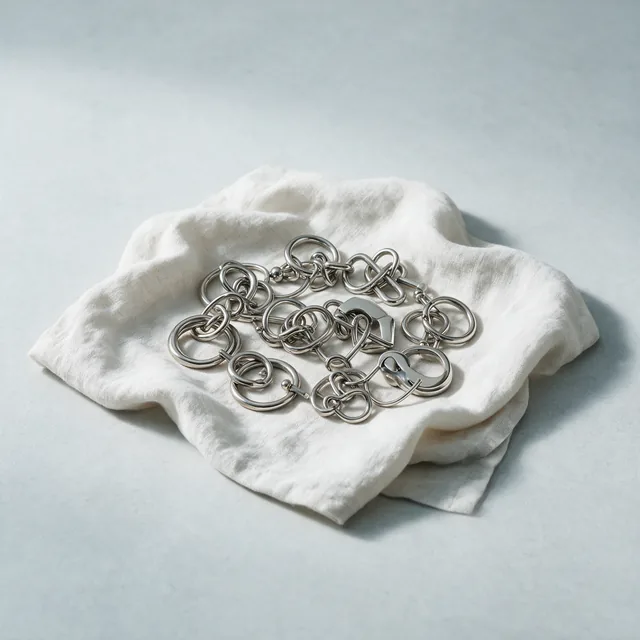
Metal puzzles that live in a bowl on a table and get picked up by everyone who visits. Cheap and unusually durable.
Everything around the puzzle itself.
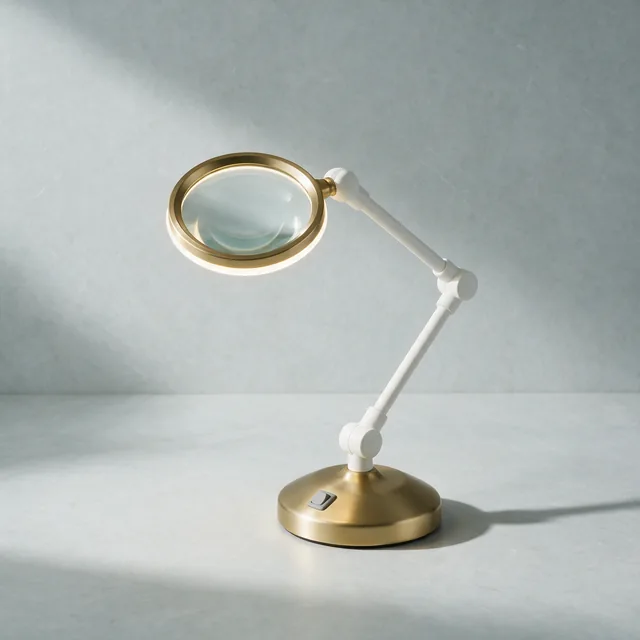
For very large puzzles and small print. It removes the squinting that ends a session early.
Sorting greys and blues under a warm bulb is why people give up. Daylight-balanced light fixes it entirely.
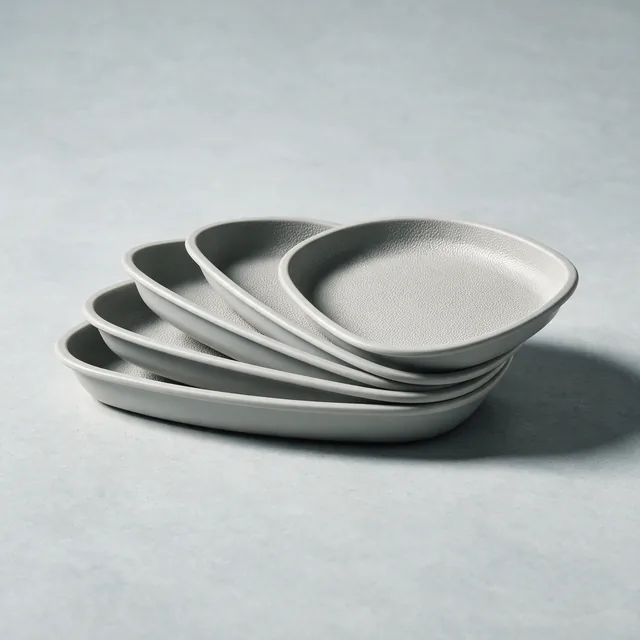
Stackable shallow trays turn a chaotic table into a system. The one accessory serious jigsaw people recommend to each other.
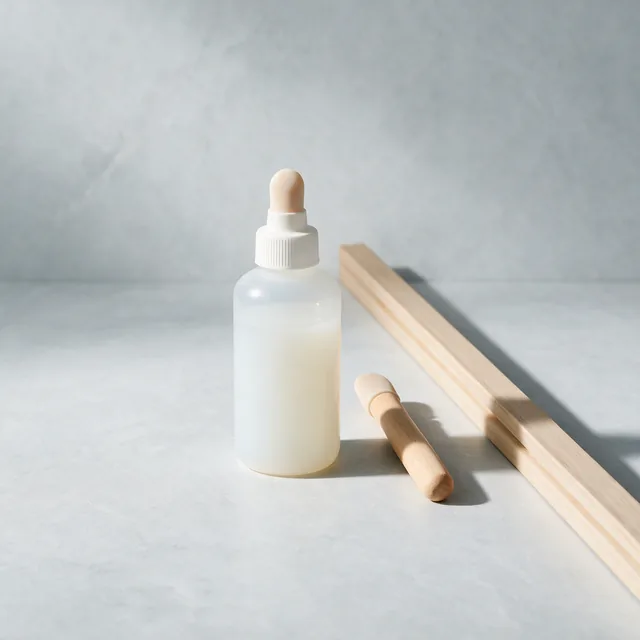
For the one they finish and cannot bear to break up. Glue sheets plus a simple frame turns it into something on a wall.
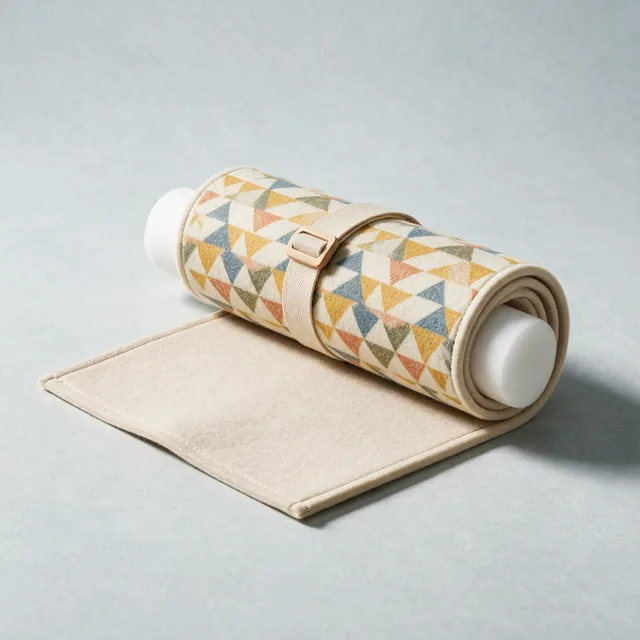
It lets a half-finished puzzle leave the dining table without being destroyed. Anyone who has lost a puzzle to a family dinner understands immediately.
Cheap, long-lasting and easy to get right once you know the type.
Solvers have strong preferences about setters, so ask which paper they do. A collection by a setter they like is months of evenings.
It arrives daily, which suits the habit better than a book that gets finished. Check whether they prefer paper before assuming an app.
For someone still learning cryptics, a guide to the conventions is more useful than another set of clues they cannot yet parse.
A small thing for a daily habit. Solvers are particular about pencils in a way that makes this an easy and well-judged gift.
Other shapes of the same pleasure.
Nonograms, sudoku variants, logic grids. Absorbing and endlessly renewable.
Physical puzzles for a coffee table. Guests pick them up without being asked.
A puzzle evening for two or four, finished in one sitting.
New puzzles arriving on a schedule keeps the hobby ticking over.
Put in the date and see how long you have, and the last sensible day to order each kind of gift.
We'll remind you about a month before it comes around, once a year.
Puzzle people divide into fairly distinct groups and the gifts do not transfer between them. Jigsaw people, cryptic crossword people, logic and number puzzle people, and mechanical puzzle people want almost entirely different things, and the first job is working out which one you are buying for.
The other useful distinction is between puzzles done alone and puzzles done together. A thousand-piece jigsaw on a dining table is a household activity for a fortnight; a book of cryptics is a private one for months. Both are good gifts and they suit different people.
Nothing we make belongs on this page. What follows is what holds up, based on the difference between puzzles that get finished and puzzles that go back in the cupboard at the halfway point.
The cut and the board. Cheap puzzles use a grid cut where pieces are nearly interchangeable and the board delaminates; better ones use a random cut with a solid board, which is both more satisfying and more durable.
A thousand is the standard for an experienced solver and takes most people a week or two of evenings. Five hundred suits someone doing it occasionally, and two thousand is for people who have specifically asked for it.
Ask which paper they do, then buy a collection by that setter. Solvers have real preferences between setters, and a collection from the wrong one is noticeably less welcome.
For a daily solver, yes, the habit is daily and a book gets finished. Check whether they prefer paper or screen first, because that preference tends to be strong.