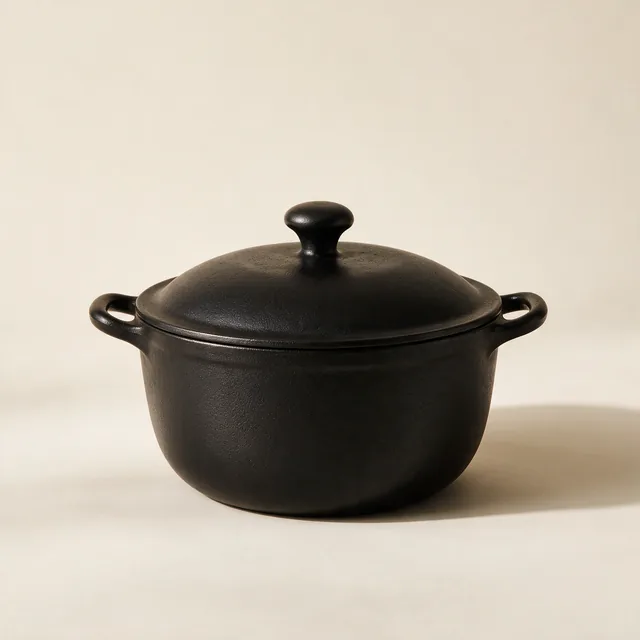
A heavy cast iron pot with a lid
It traps steam around the loaf, which is what a bakery oven does and a home oven cannot. This single object is the largest step change available in home bread.
Some links on this page go to Amazon. If you buy through one we earn a small commission, at no extra cost to you. It never changes what we recommend or the order we put things in. Photographs here are illustrations of the kind of thing described, not pictures of a particular product.
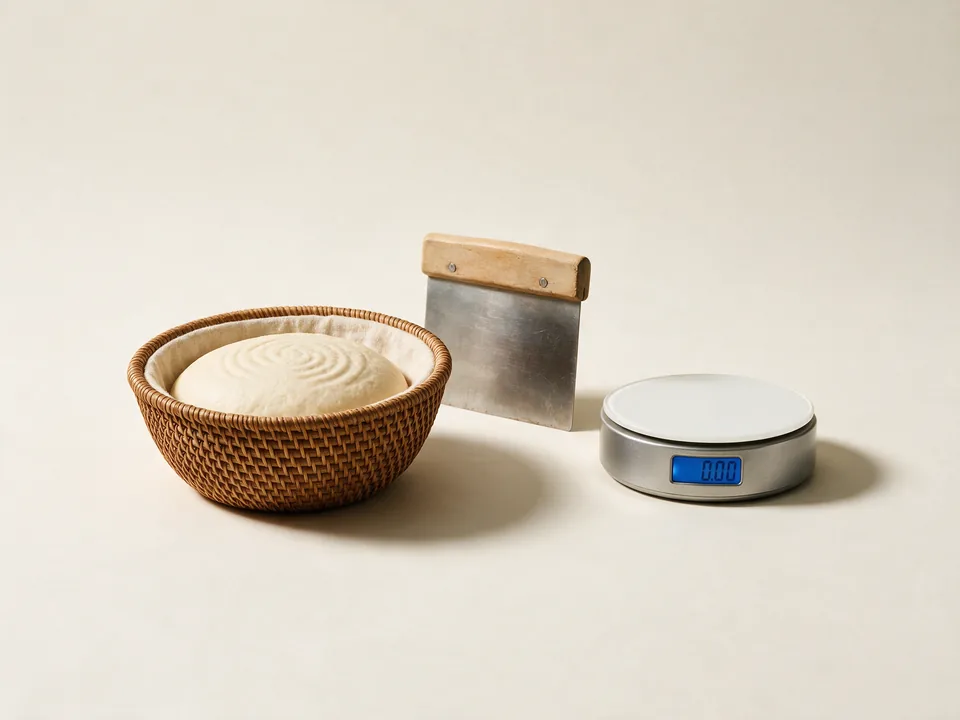
Heat, steam and shaping, the three things a domestic oven does badly.
It traps steam around the loaf, which is what a bakery oven does and a home oven cannot. This single object is the largest step change available in home bread.
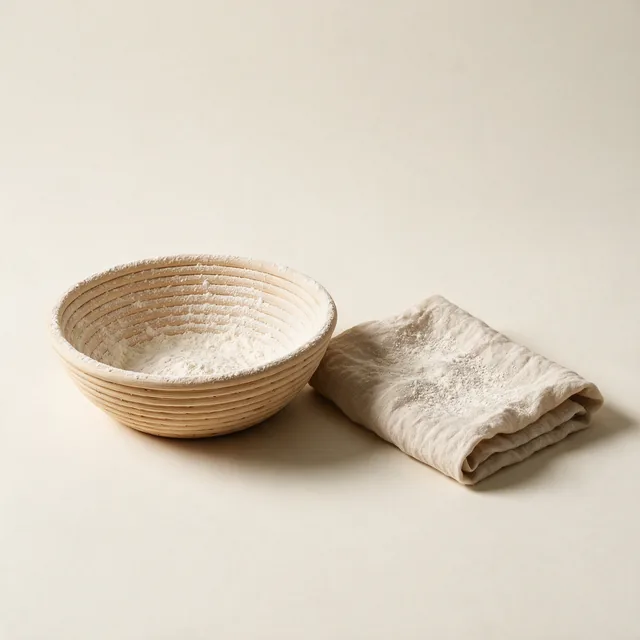
A cane basket for the final rise and a blade for scoring. Cheap, specific, and the difference between a loaf that holds its shape and one that spreads.
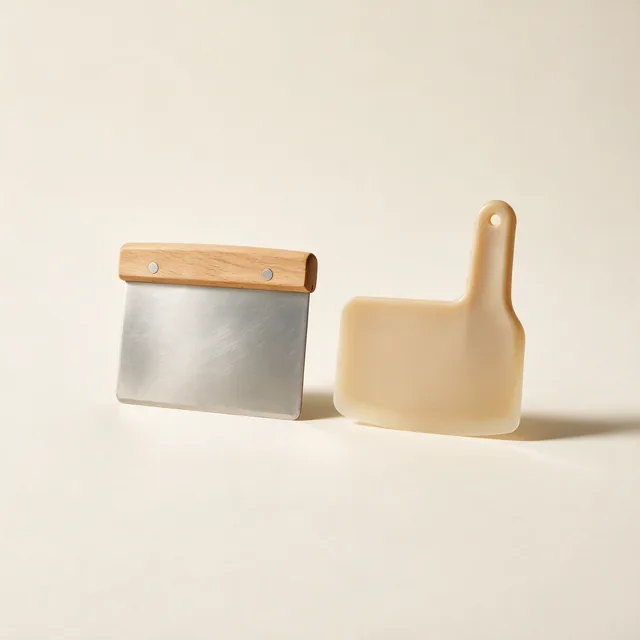
The most used tool in any bread kitchen and the one people improvise with a spatula for years. Buy both kinds.
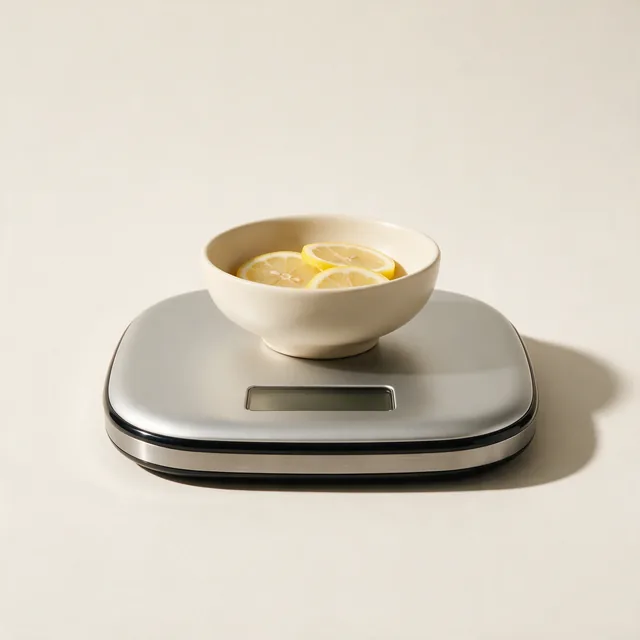
Baking by volume is the root of most inconsistency. A scale with a tare function and single-gram resolution is inexpensive and fixes it permanently.
Accuracy and even heat, which domestic kit rarely delivers.
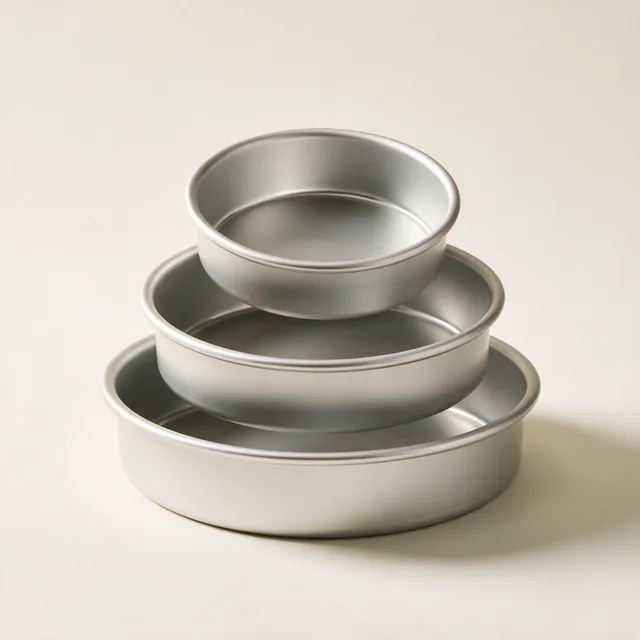
Straight-sided, heavy, and true to their stated size. Thin supermarket tins bake unevenly and warp, and most home bakers own several.
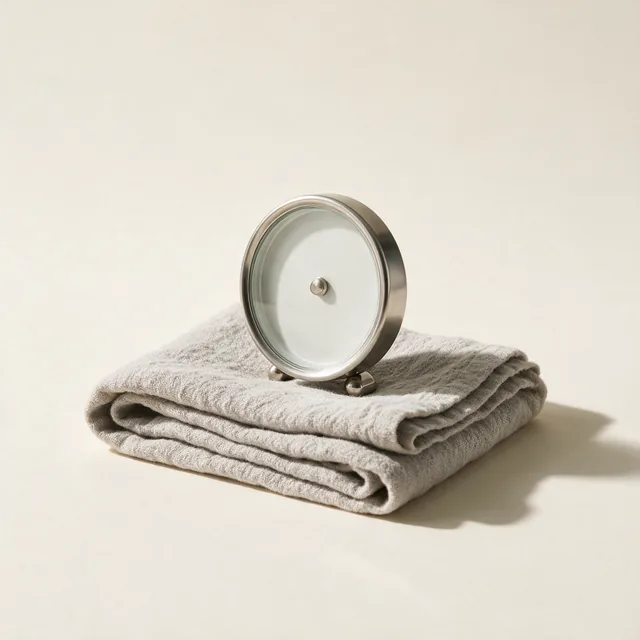
Domestic ovens are frequently out by twenty degrees or more, which ruins pastry. It costs very little and it explains a lot of past failures.
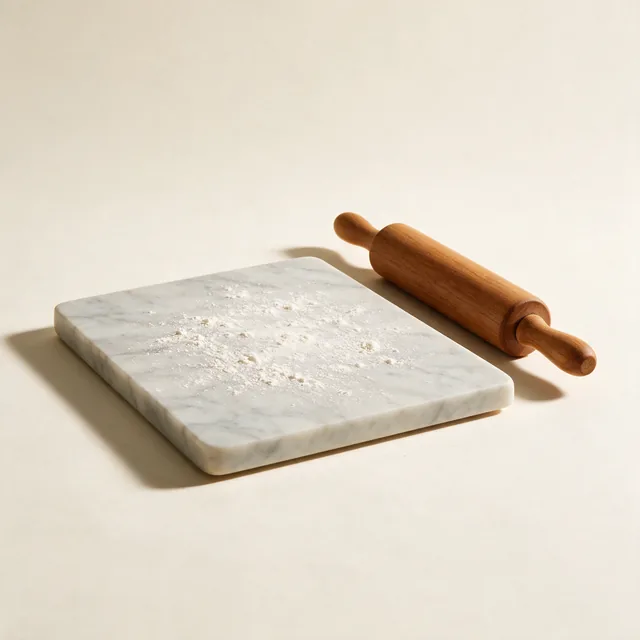
Pastry needs a cold surface. In a warm kitchen this is the difference between laminating successfully and giving up.
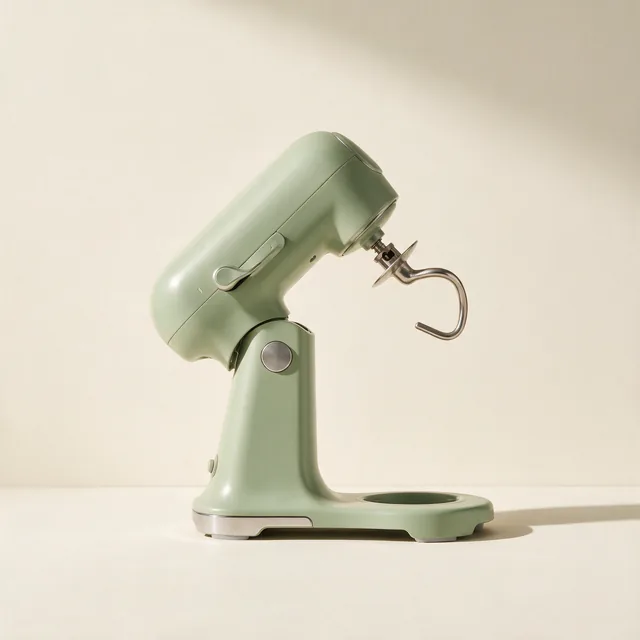
The large-budget option and the correct one for anyone doing enriched doughs or meringue regularly. Check the counter space first, because they are enormous.
Consumables and reference, the two things bakers keep needing.
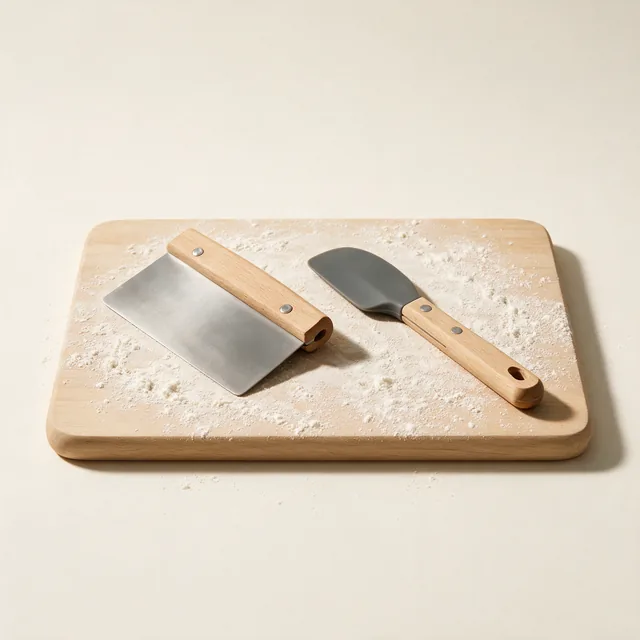
Two cheap pieces of steel and plastic that change how dough is handled. Bakers who have them use them every session and rarely think to buy them.
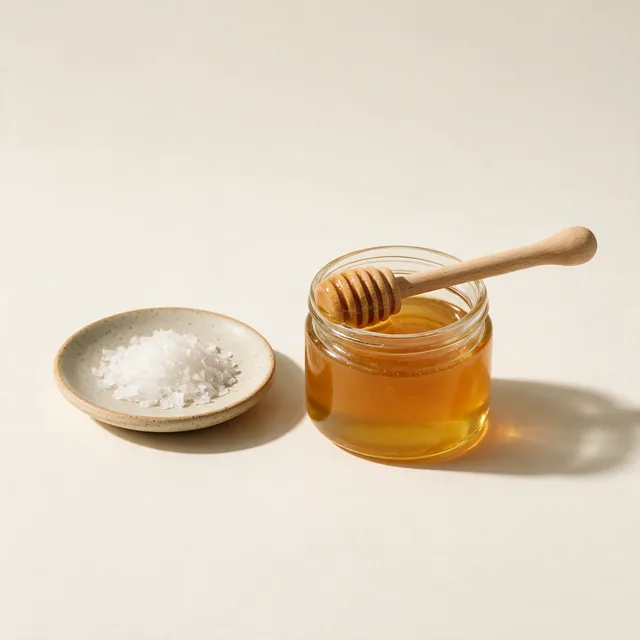
The two things that go on top rather than in, and the two most home bakers are still buying in the ordinary grade. Both are used slowly and noticed immediately.
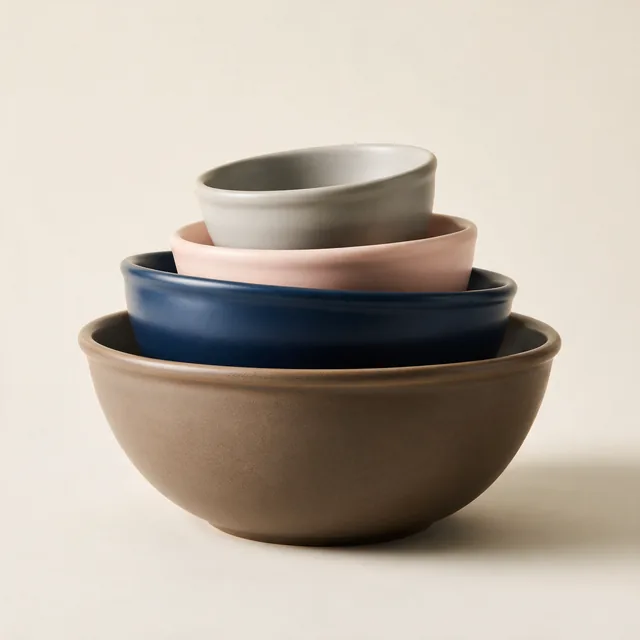
Most kitchens have two bowls and need five. A nesting set in glass or steel stacks into the space of one and never wears out.
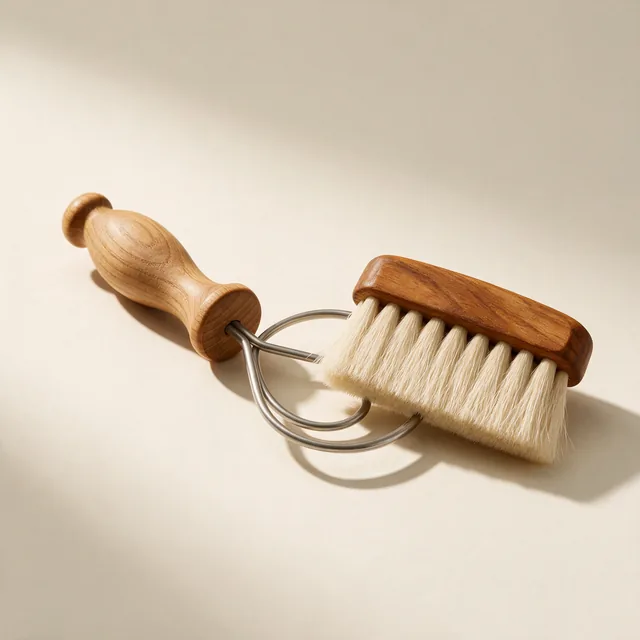
Two small tools that make the work tidy and quick. Neither is expensive and neither is ever bought voluntarily.
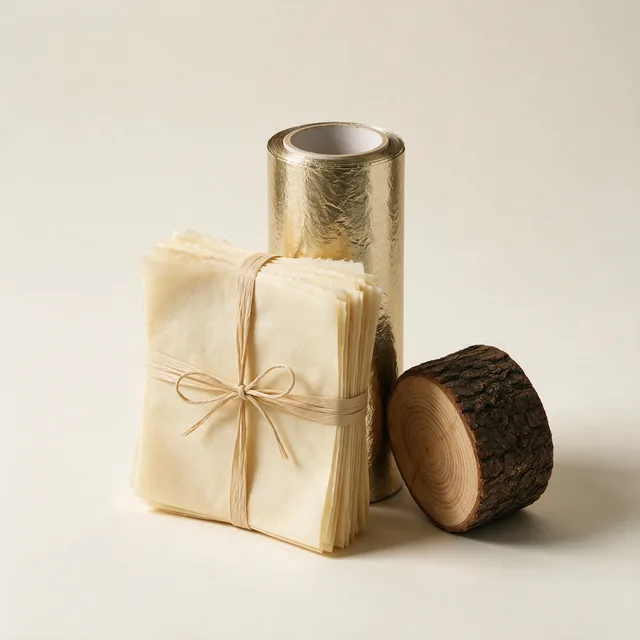
The consumables that run out at the worst moment. A year of supplies is a small, genuinely useful gift.
Consumable and low risk, for when you are unsure about equipment.
Stoneground or strong bread flour from a named mill rather than a supermarket brand. Bakers notice the difference immediately and rarely buy it for themselves.
Real vanilla, couverture chocolate, cardamom that still smells of something. The cost per bake is small and the improvement is obvious.
The kind with method and ratios rather than photographs. Bakers read technique books repeatedly and coffee-table ones once.
Different flours arriving through the year. It suits someone who has all the equipment and is looking for something new to try.
The last ten minutes of a bake.
Even sides without moving the cake. It is what separates neat from homemade.
Reusable bags and half a dozen tips cover almost everything.
Spreading icing with a knife is why icing looks bad. This costs very little.
Bakes sweat and go soggy without one. Most kitchens have one too small.
For anyone who gives bakes away, which is most bakers.
Put in the date and see how long you have, and the last sensible day to order each kind of gift.
One short reminder about a month before it comes around each year.
Baking is a hobby where a small number of specific objects genuinely change the outcome, and where an enormous quantity of gift-shop equipment does not. Knowing which is which is the whole task, and it is mostly about heat, weight and time.
It also splits sharply between bread and cake. A bread baker wants heat retention, steam and a way to shape dough; a cake baker wants accurate tins, a mixer and even heat. Buying across that divide is the most common mistake, and the two rarely want the same things.
We make nothing for this page, so everything below is a third-party pick. The most useful thing you can do before buying is look at what is already on their counter, because the gap is usually obvious once you know what to look at.
A heavy cast iron pot with a lid. It traps steam around the loaf during the first part of the bake, which is the one thing a home oven cannot do on its own, and it changes results more than anything else at the price.
Rarely. They tend to contain a lot of thin, small tools that a keen baker already owns in better versions. One good item is a better gift than a boxed set.
Buy consumables. Good flour, real vanilla, proper chocolate and a one-gram digital scale are useful across both, and none of them duplicate equipment they already have.
It is a large gift and a genuinely useful one for anyone making enriched doughs or meringues often. Check they have the counter space, because the good ones are heavy and are meant to stay out.