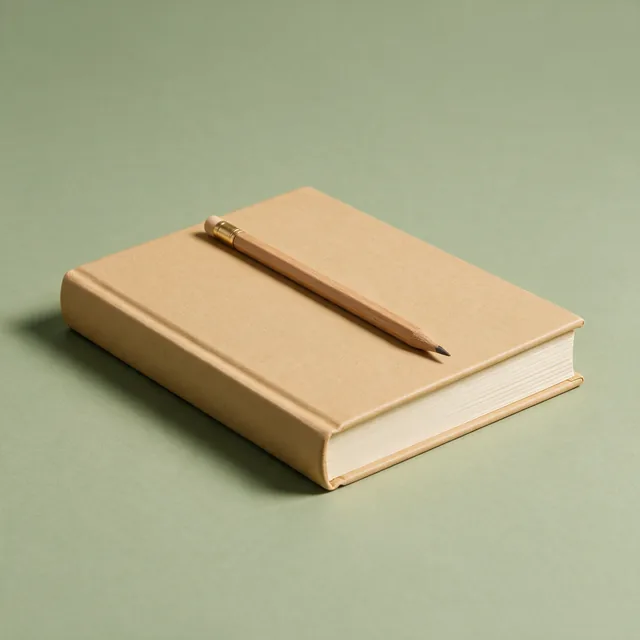
A regional field guide, current edition
Illustrated rather than photographic, covering their actual region. Names and ranges change between editions, so a current one matters more than people assume.
Some links on this page go to Amazon. If you buy through one we earn a small commission, at no extra cost to you. It never changes what we recommend or the order we put things in. Photographs here are illustrations of the kind of thing described, not pictures of a particular product.
Inexpensive, and usually worn out.
Illustrated rather than photographic, covering their actual region. Names and ranges change between editions, so a current one matters more than people assume.
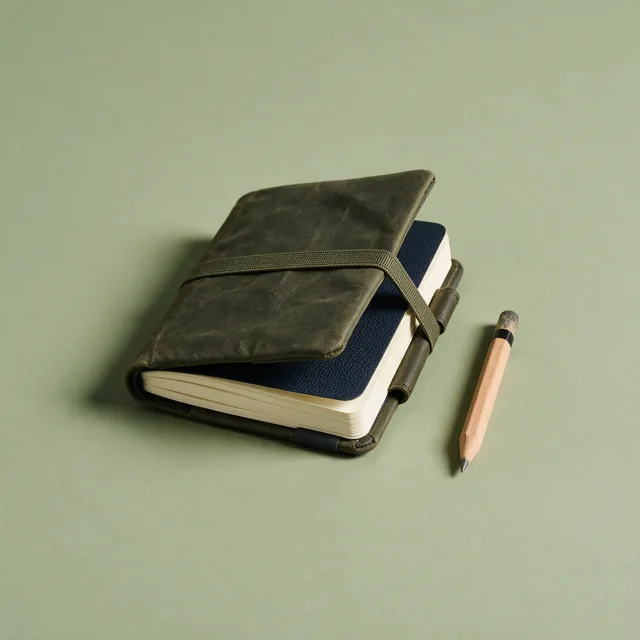
Paper that works in rain. Keeping a list is half the hobby and phones are poor in cold, wet weather.
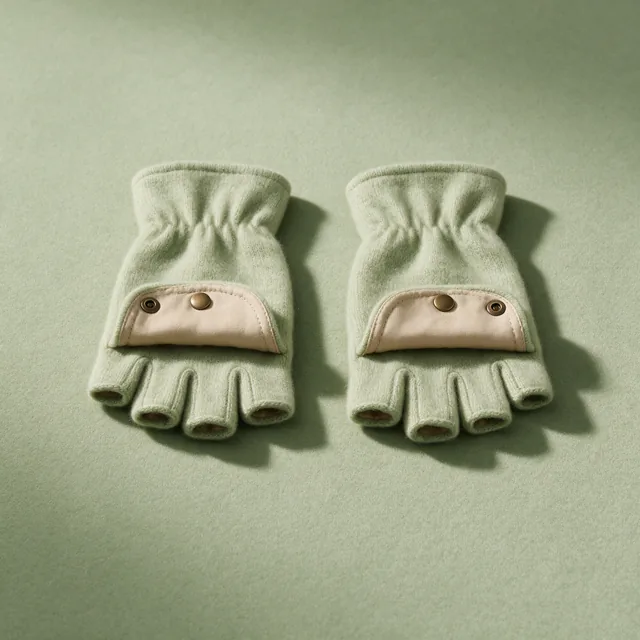
Handling focus wheels in January is the specific problem this solves. Ordinary gloves make binoculars unusable.
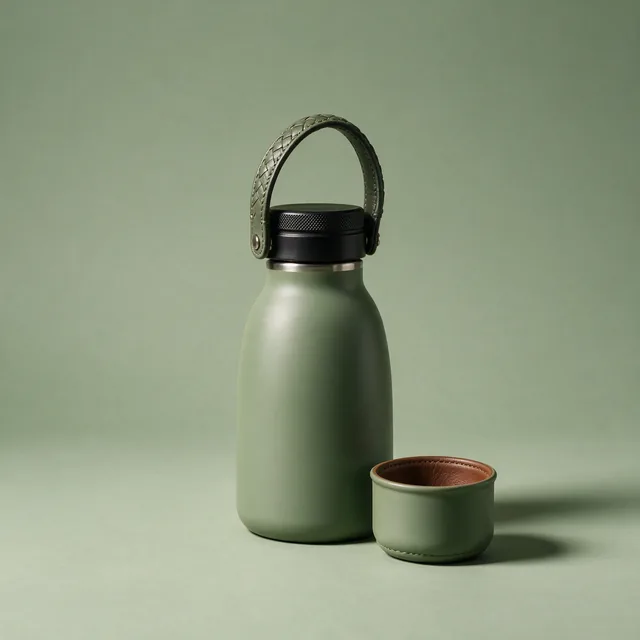
Sitting still in the cold for hours is the actual activity. A good flask is used on every single outing.
The one category where trying before buying genuinely matters.
Eight times magnification with a forty-two millimeter lens is the standard general-purpose choice: bright enough at dusk and steady enough to hold. Below a certain price the image is poor enough to put a beginner off entirely.
Takes the weight off the neck and stops the binoculars swinging. Cheap, and it is the accessory experienced birders recommend first.
The honest solution to a personal fit. Contributing to a pair they select themselves is better than guessing at a specification.
Where most birdwatching actually happens.
The recurring battle of garden birdwatching. A properly weighted or caged feeder is a real solution rather than a temporary one.
The gift that turns a garden into something watched all spring. Install it in autumn so birds have found it by the season.
Sunflower hearts and a proper mix bring more species than the wheat-heavy supermarket bags, which mostly feed pigeons.
Water attracts more species than food does, and it is the thing most gardens lack. Shallow and rough-bottomed is the specification.
Birds brought closer to home.
Birds at arm's length. It is the gift that gets checked twenty times a day.
Seed goes stale and attracts mice. A sealed bin solves both.
Squirrels defeat everything else. A baffle is the only thing that works.
Water in winter matters more than food and almost nobody provides it.
Hole size determines the tenant. Choose the bird they want and buy that box.
Cheap decals prevent the most common garden bird death.
Binoculars live outdoors and get rained on, and most people clean them with a shirt. A proper brush and lens fluid keeps the view they paid for.
Winter fat is what small birds need most. Cheap and constantly refilled.
Some species never use a hanging feeder. A low tray brings a different set of birds into the garden.
Put in the date and see how long you have, and the last sensible day to order each kind of gift.
A reminder about a month ahead, every year, with time to order something properly rather than overnight.
Birdwatching has one expensive item and a long tail of cheap ones, and the useful question is which end of that range you are buying at. Optics are the expensive end and are difficult to buy for someone else, because fit and eye relief are personal and the wrong pair is unusable rather than merely disappointing.
Everything else is easy. The field kit, the reference books, the notebooks, the garden equipment, all of it is inexpensive, and most birdwatchers are using something worn out in at least one category.
For a beginner the priority order is unambiguous: usable binoculars first, one good regional guide second, and everything else afterward. Buying the accessories before the binoculars is the most common way a beginner's gift fails to get used.
An 8x42 pair from an established optics maker, in the mid-range rather than at the bottom. Very cheap binoculars produce a dim, unsteady image and are the most common reason a beginner loses interest.
Less than you would hope. Eye relief and fit vary between people, particularly for anyone wearing glasses, so contributing toward a pair they choose is often the better gift.
A current regional field guide, a waterproof notebook, or a good flask. All are inexpensive, all get used on every outing, and most birders are making do with a worn-out version of at least one.
Autumn or early winter, so birds find it before the breeding season. A box put up in spring will usually stand empty for its first year.