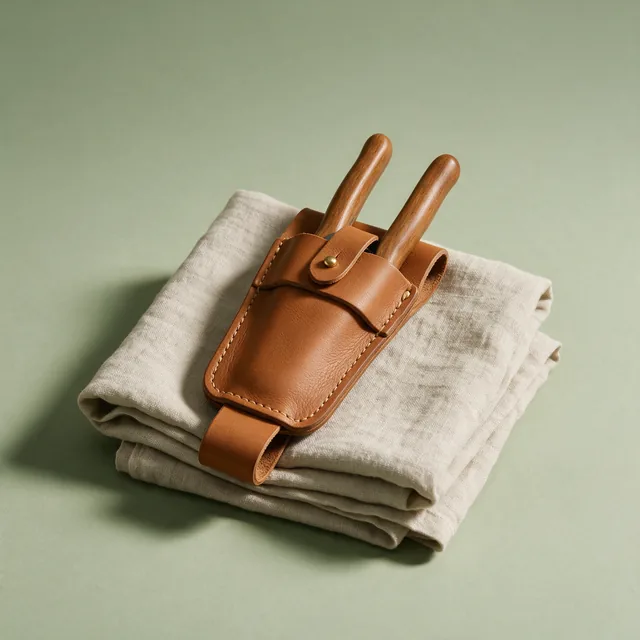
Bypass secateurs that can be sharpened and rebuilt
The single best gift in this category. A proper pair takes replacement blades and springs, so it lasts decades rather than seasons, and almost every gardener is still using a cheap pair.
Some links on this page go to Amazon. If you buy through one we earn a small commission, at no extra cost to you. It never changes what we recommend or the order we put things in. Photographs here are illustrations of the kind of thing described, not pictures of a particular product.
The good version of a thing they use every week and have never upgraded.
The single best gift in this category. A proper pair takes replacement blades and springs, so it lasts decades rather than seasons, and almost every gardener is still using a cheap pair.
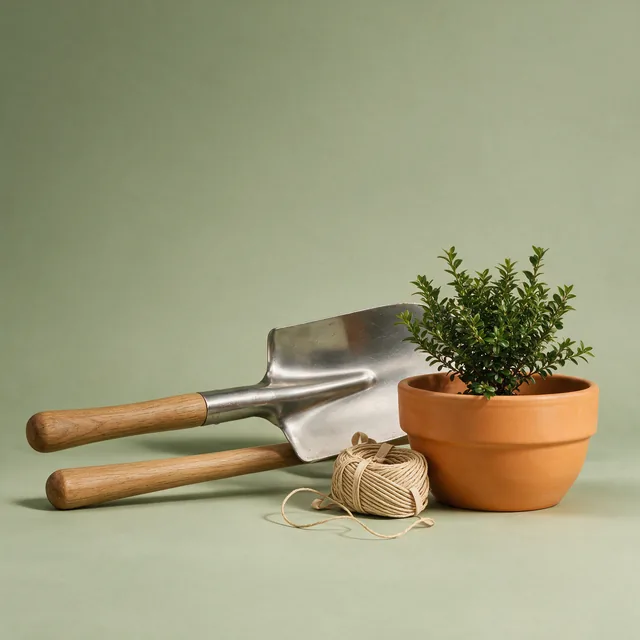
Stainless steel cuts through heavy soil with far less effort and does not rust in a damp shed. Check whether they need a full-size or a border version before buying.
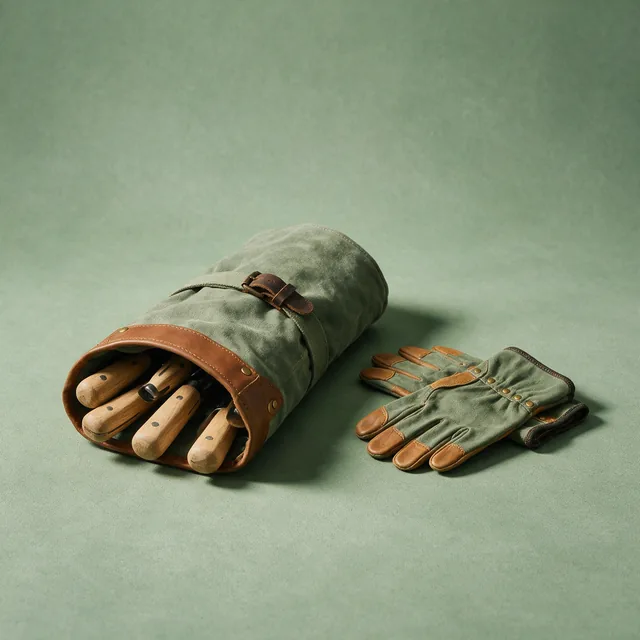
A heavy-bladed digging knife that does the job of a trowel, a weeder and a saw. Gardeners who have one use it constantly and those who do not have never heard of it.
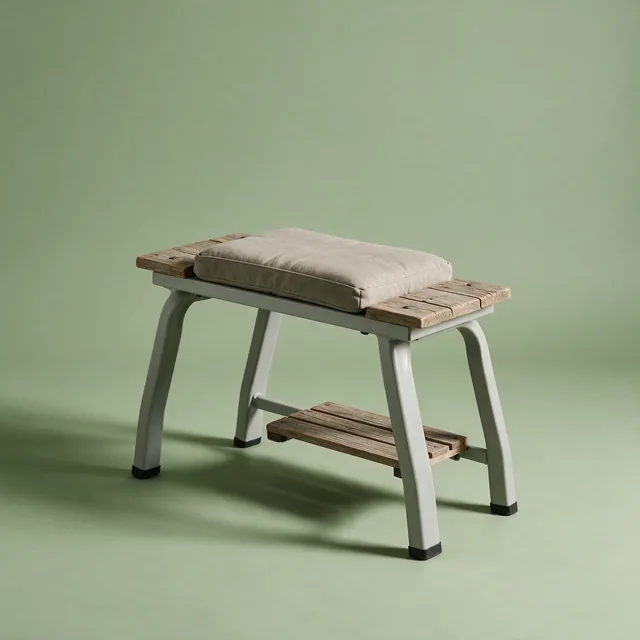
The gift that extends how long they can garden for, which for anyone over sixty is the most valuable thing on this page.
The gifts that add hours to a season.
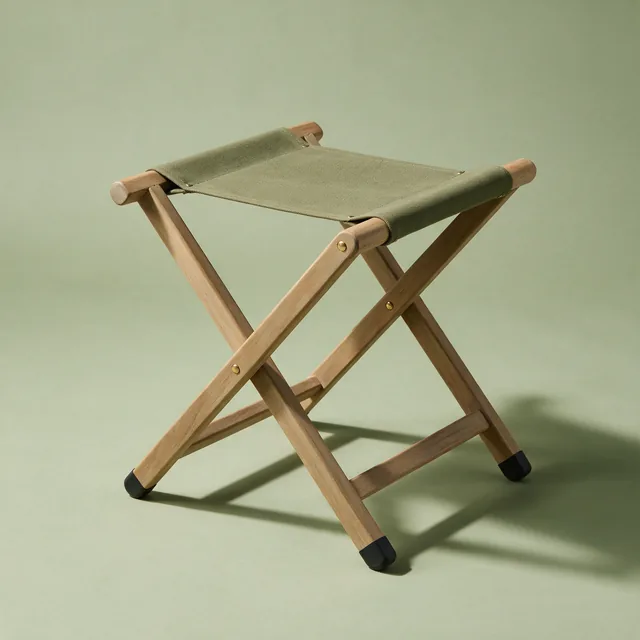
Somewhere to sit while potting or weeding a bed. Lighter than a kneeler and it goes where the work is.
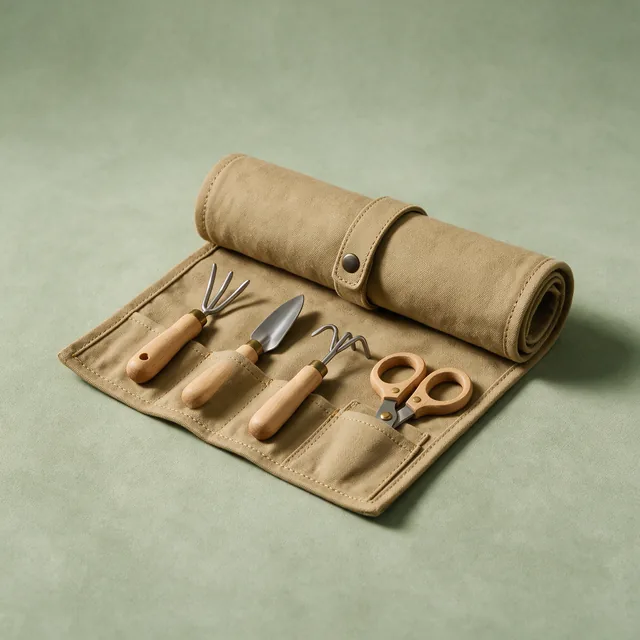
Keeps the good tools together and out of the bottom of a bucket. Wooden handles survive years longer when they are not rattling loose.
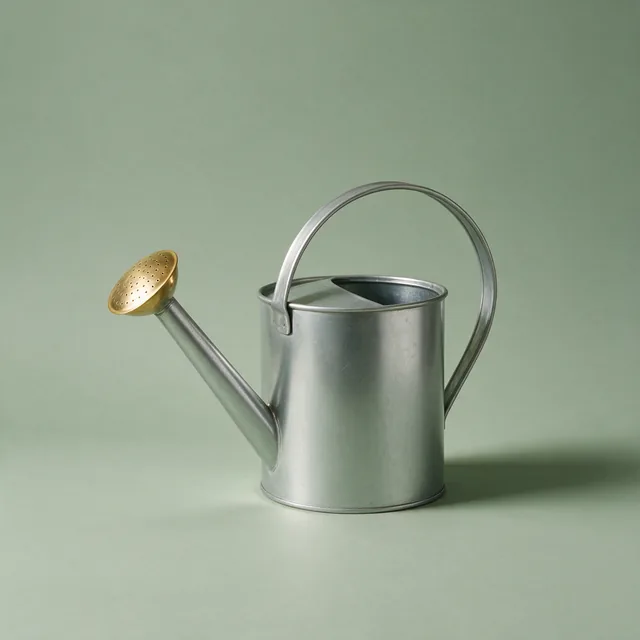
Fine spray for seedlings, a heavy pour for pots. The cheap plastic one they own waters everything the same way.
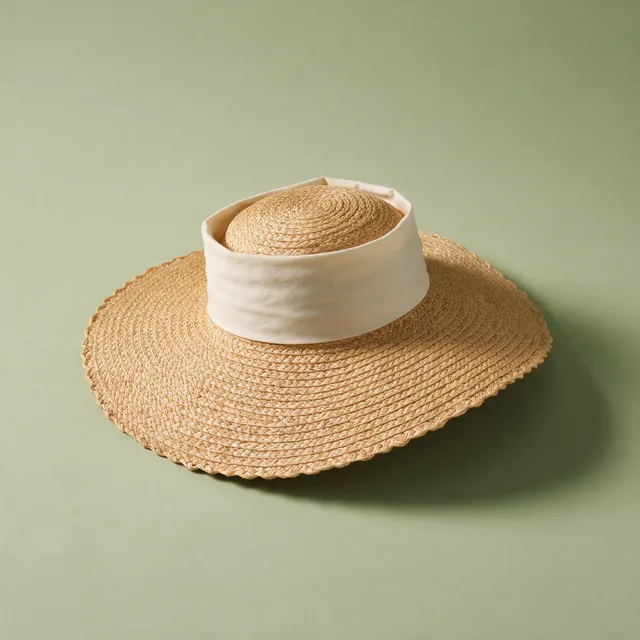
Two hours weeding in July is two hours in full sun. Unglamorous and used every summer.
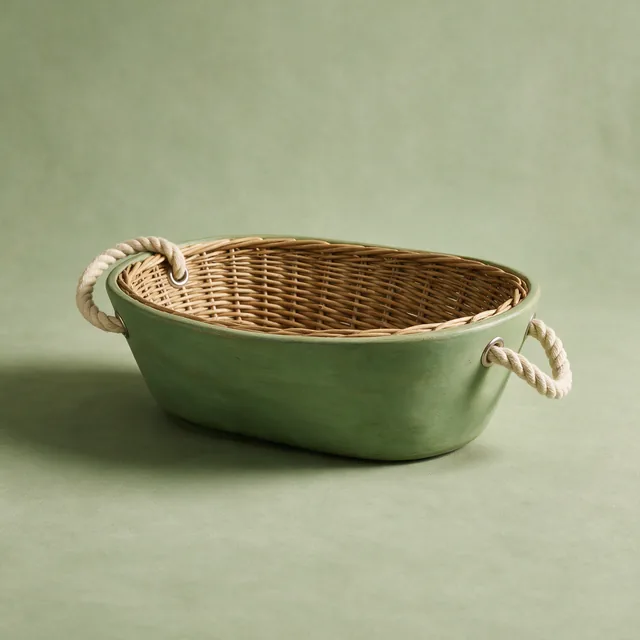
Somewhere to put the weeds, the harvest and the tools. Nobody owns enough of these and they last decades.
The parts of the year that are not summer.
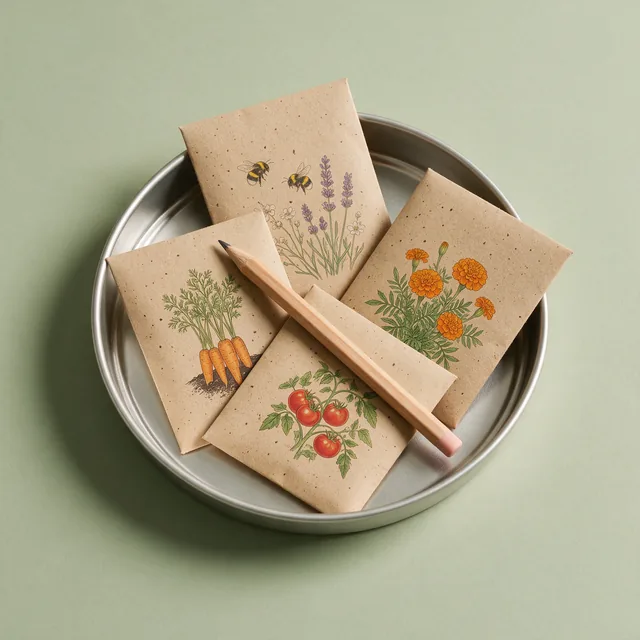
Seed packets get lost and go out of date. A tin with dividers solves a real annoyance.
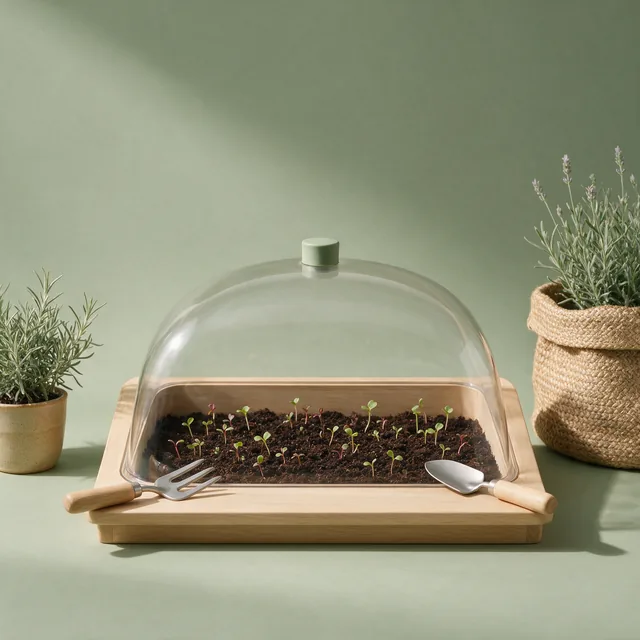
Earlier sowing, better germination. It extends the growing year at both ends.
Protects early sowings from frost. Cheap and the difference between a crop and a loss.
pH explains most mysterious failures. Cheap and genuinely diagnostic.
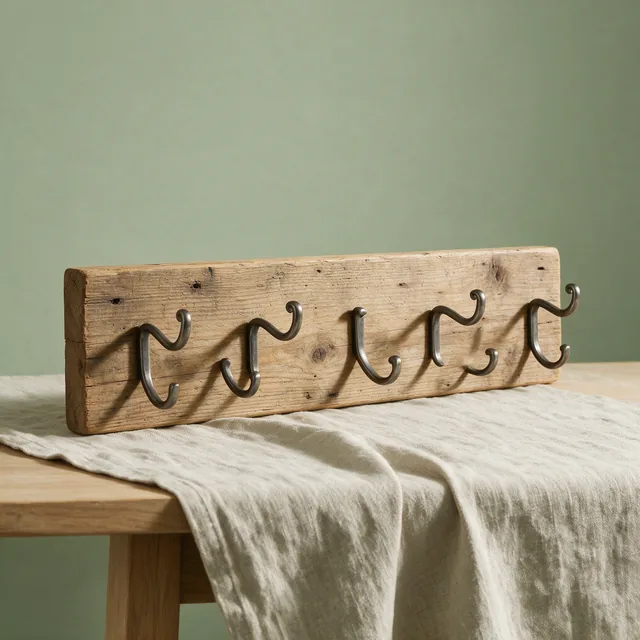
Tools off the floor and findable. It is the shed gift nobody buys.
Safe every year, and never surplus.
Heritage varieties or a specific list they have mentioned. Cheap, entirely used, and it arrives in the dull part of winter when it is most welcome.
The consumables that run out constantly and are always bought in the cheapest form. A year's supply is a small gift that removes a recurring annoyance.
Unromantic and enormously appreciated. Delivered in bulk it costs less than several bags and it is the input that changes results most.
Gardening gloves are lost and destroyed constantly. Buying three pairs of a good fitted kind rather than one pair of a stiff generic one is the correct approach.
Gifts with a horizon of years rather than a season.
The one plant worth giving, because it is a decision rather than an object. Take them to choose it rather than delivering a surprise.
Access to gardens through the season, which is where gardeners get their ideas. It produces days out rather than another object in the shed.
Pruning, propagation, a single genus. General gardening books are already owned; the narrow ones rarely are.
Gardeners like data about their own patch more than non-gardeners expect. Small, cheap and looked at daily.
Put in the date and see how long you have, and the last sensible day to order each kind of gift.
We'll remind you about a month ahead, which for a gardener is usually enough time to order bare-root or seed in the right season.
Gardeners are easy to buy for and easy to buy badly for, and the difference is almost entirely about whether you buy the tool or the plant. Tools are safe, because a gardener will always take a better version of a thing they use. Plants are risky, because they have a plan and your plant may not be in it.
The other useful distinction is between the gardener who grows food and the gardener who grows flowers. Their tools overlap but their wants do not, and a gift chosen for the wrong half of the garden is the most common miss in this category.
One thing worth knowing: most keen gardeners are still using the cheap version of at least one tool they use daily, usually secateurs or a spade. That is where the good gift is hiding, and they will tell you which one if you ask.
A properly made pair of secateurs, if they do not already have one. It is used constantly, it lasts for decades if it can be sharpened and rebuilt, and most gardeners are still working with a cheap pair.
Usually not, unless you know the plan for the space or you choose it together. Keen gardeners have specific intentions for specific beds, and an unexpected plant becomes an obligation rather than a gift.
The boxed sets of small tools are generally poor quality and duplicate what they own. One good item beats a set of six every time in this category.
Yes, particularly heritage or unusual varieties from a specialist supplier. They are cheap, entirely used, and they arrive in winter when a gardener has nothing to do but plan.