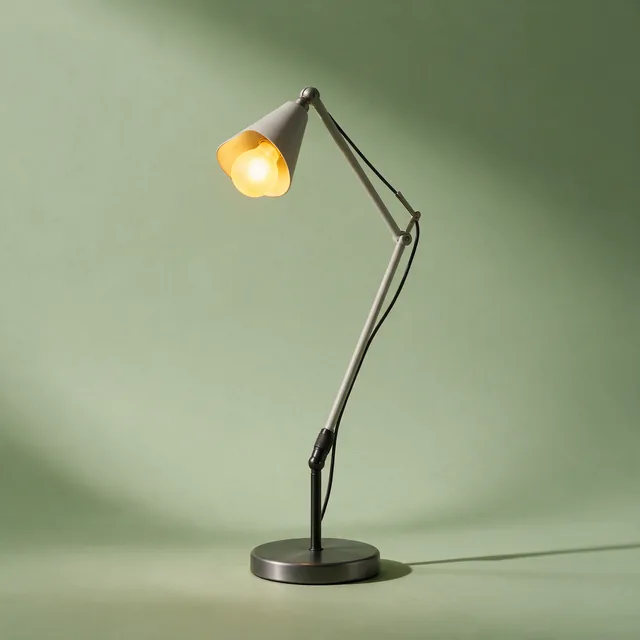
A proper grow light that does not look like one
Most indoor plant problems are light problems, particularly from October onward. Modern bulbs fit ordinary fittings and do not turn the room purple.
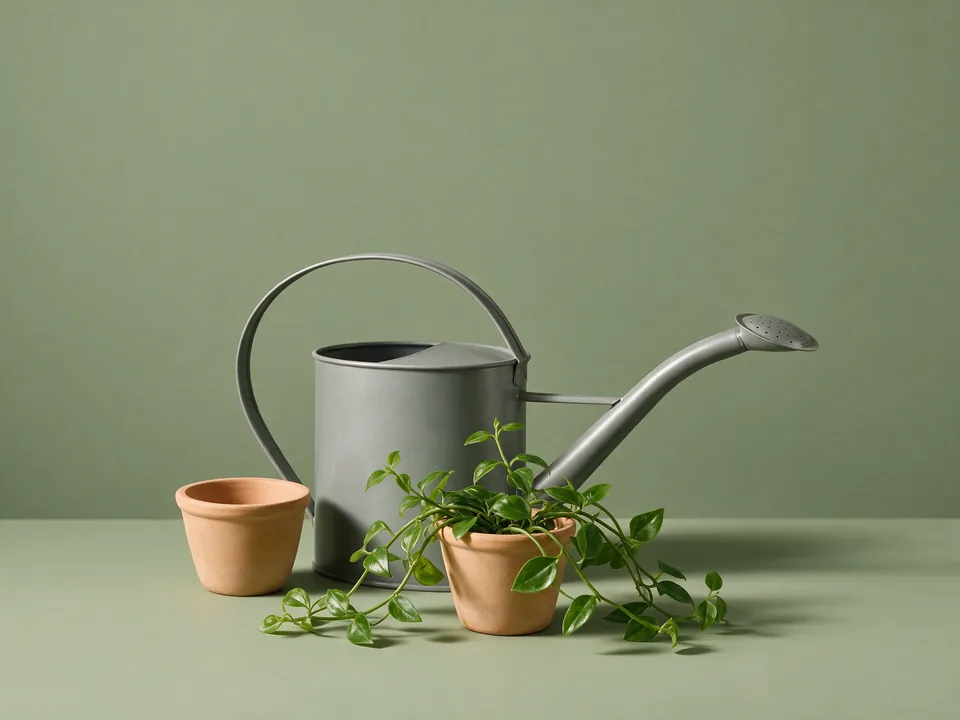
Some links on this page go to Amazon. If you buy through one we earn a small commission, at no extra cost to you. It never changes what we recommend or the order we put things in. Photographs here are illustrations of the kind of thing described, not pictures of a particular product.
Light, water, drainage and space, in the order they cause problems.
Most indoor plant problems are light problems, particularly from October onward. Modern bulbs fit ordinary fittings and do not turn the room purple.
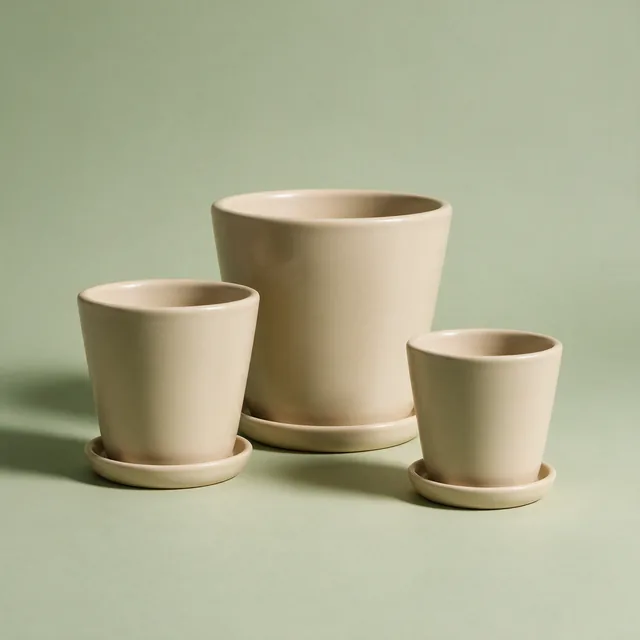
Decorative pots without holes are the most common cause of a dead houseplant. A set of plain terracotta in graduated sizes is a genuinely useful gift.
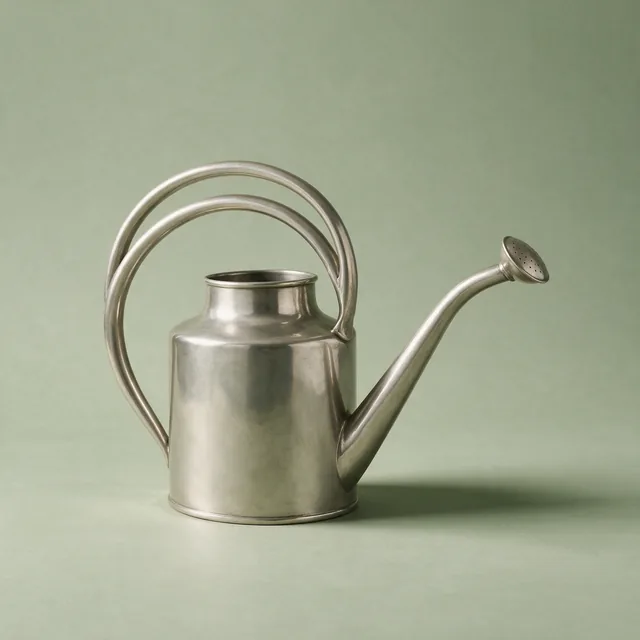
Reaches the back of a shelf without moving everything. It is the object plant people admire in other people's houses and never buy.
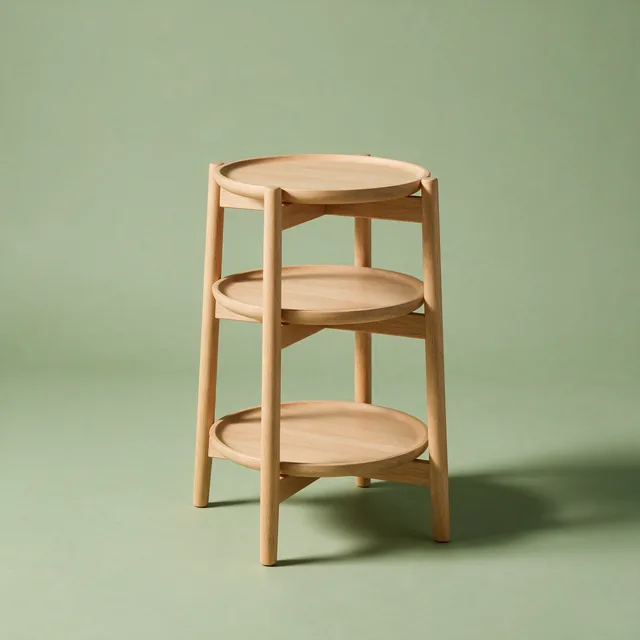
Space by a window is the real constraint in a small flat. A tiered stand doubles the usable light in a room.
Used up, replaced constantly, and always bought in the cheapest form.
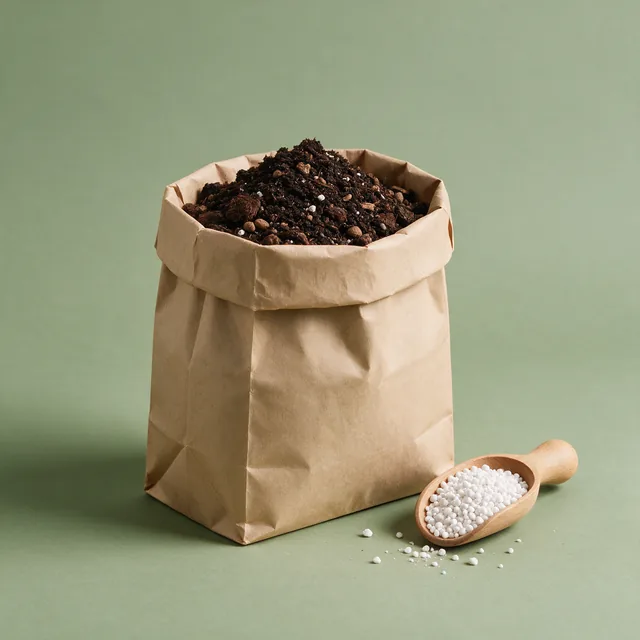
Perlite, bark, coir, worm castings. Serious plant people mix their own and buying the components is more useful than a bag of general compost.
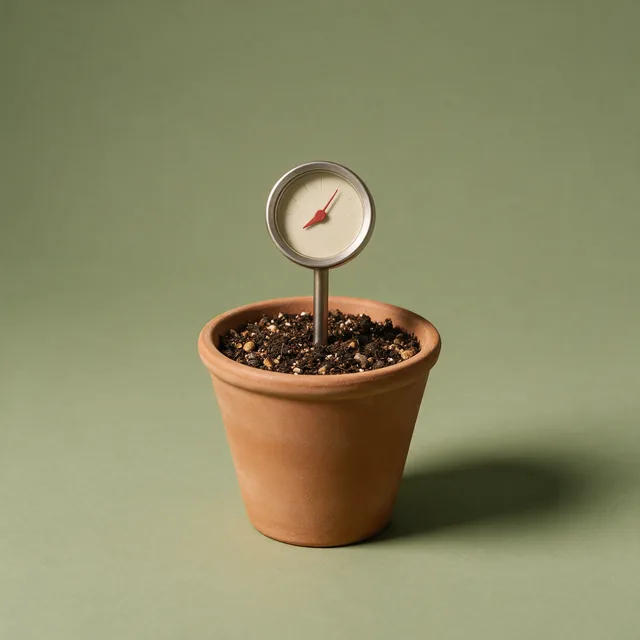
Overwatering kills more houseplants than neglect. A cheap probe settles the argument and it is a tactful gift if you have watched them drown things.
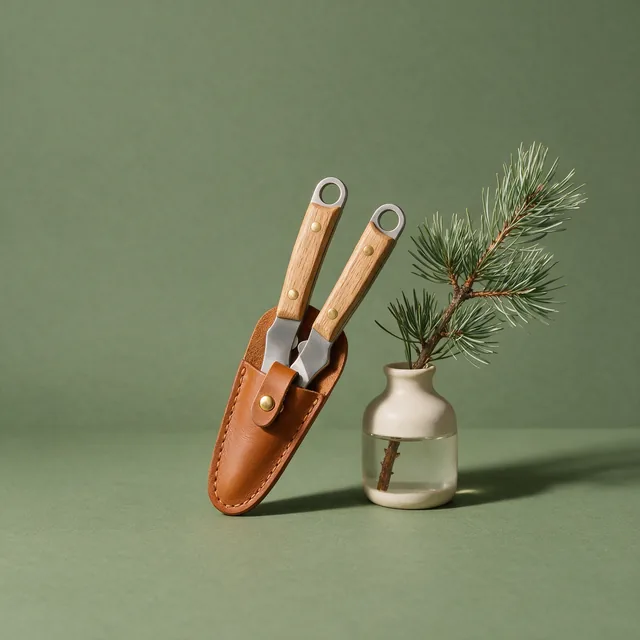
A small pair kept only for plants, so cuttings are clean and disease does not travel between them.
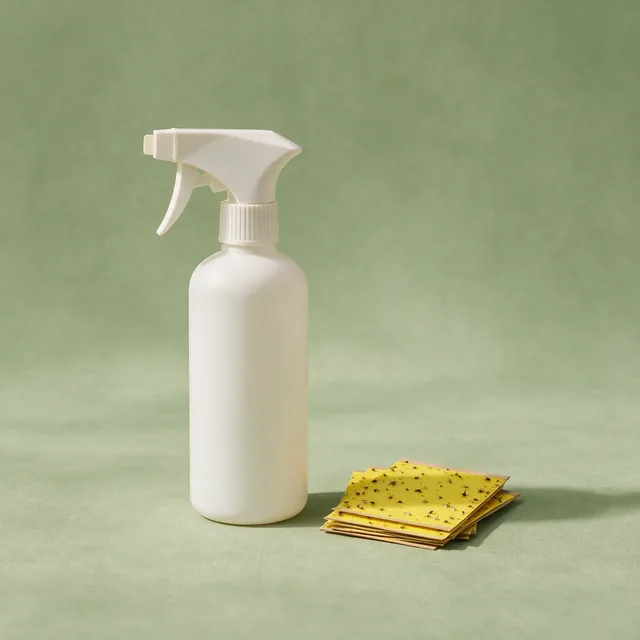
Deeply unromantic and the thing they will need in February when the fungus gnats arrive. Pair it with something nicer.
The consumables and small tools a collection quietly needs.
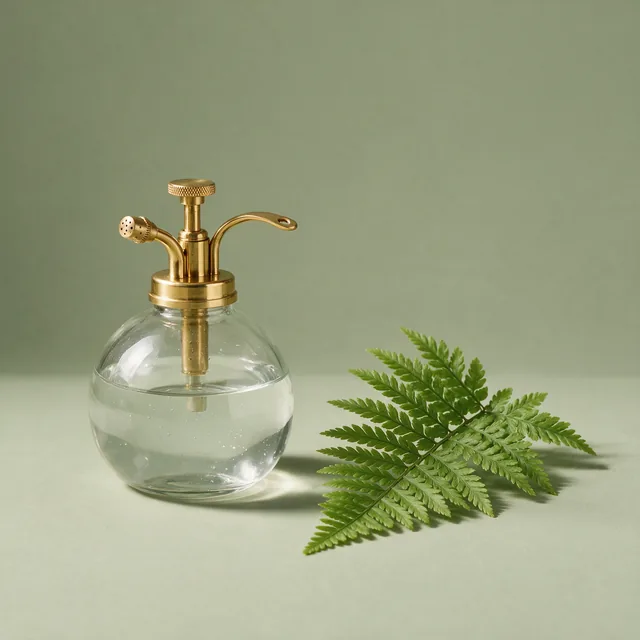
Ferns, calatheas and most aroids want humidity rather than more water in the pot. A fine mister is the cheapest way to give it to them.
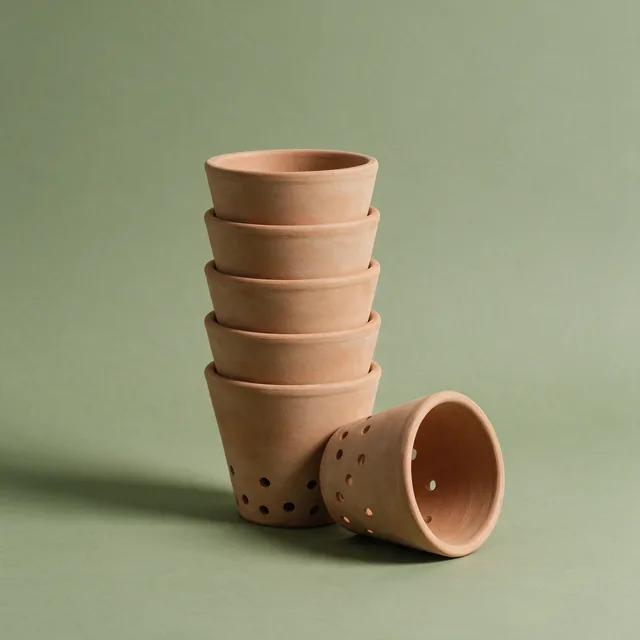
Decorative pots without holes kill more houseplants than neglect does. A stack of plain plastic ones sits inside them and solves it.
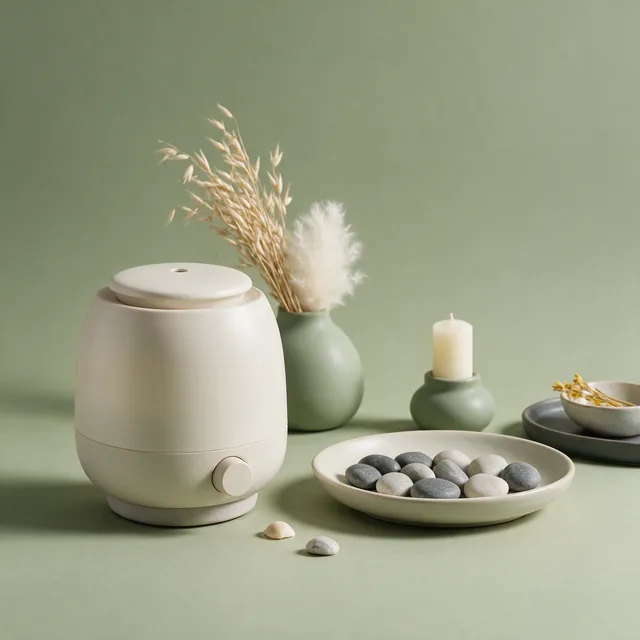
For anything tropical in a centrally heated room. Brown leaf tips are almost always dry air.
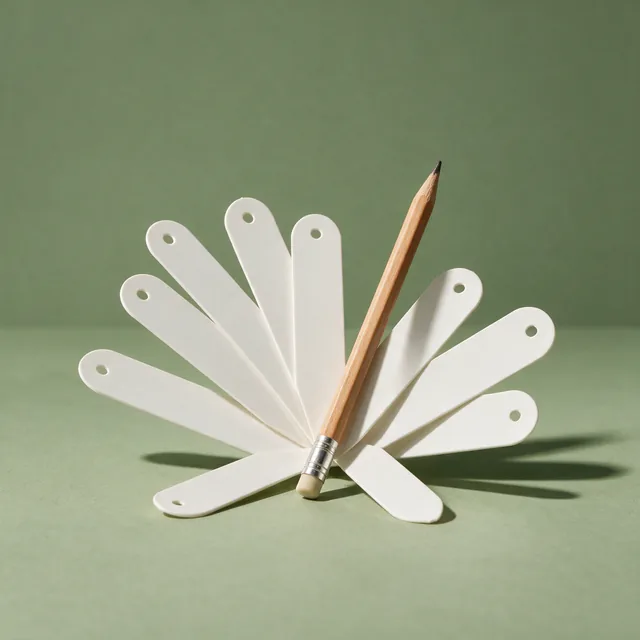
For anyone propagating. Cheap, endlessly needed, and never bought.
The propagation culture is the point of the hobby for a lot of people.
Potted up and labeled with what it is and where it came from. It carries a story, which a shop plant does not, and it costs nothing.
Offer a swap rather than a gift. It suits the culture of the hobby and it gets both of you something you actually wanted.
Aroids, cacti, orchids, ferns. General houseplant books are all owned already; a narrow one on their particular obsession is not.
Propagation and the next generation.
Cuttings in water on a windowsill. Cheap, and it is the most enjoyable part of the hobby.
Turns cuttings into plants reliably rather than hopefully.
Warm roots germinate faster. It is the cheapest serious improvement for propagation.
Cuttings fail from drying out more often than from anything else. A clear dome holds moisture around them for the two weeks that matter.
For anyone who travels. It keeps a collection alive for a fortnight.
Put in the date and see how long you have, and the last sensible day to order each kind of gift.
One reminder about a month ahead, every year. Nothing else.
The instinct is to buy a plant, and it is usually the wrong call. Someone with forty houseplants has a watering routine, a light budget, and a shelf that is already full, a forty-first arrives as a small obligation. The exception is a plant they have specifically named.
What genuinely improves things for a houseplant person is equipment and inputs. Light, water quality, pots that drain, and somewhere to put things are the four constraints, and all four are unglamorous enough that people rarely buy them for themselves.
It is also a hobby with a strong second-hand and propagation culture. A cutting from your own plant, rooted and potted, is frequently more welcome than something bought, and it costs nothing but time.
Only if they have named it specifically. Someone with a full collection has a fixed amount of light and shelf space, so an unplanned plant is a constraint rather than a treat.
A grow light, or shelving near a window. Light is the limiting factor in nearly every indoor collection and it is the thing people put off solving for years.
It is inexpensive and it is not cheap. Rooted, potted and labeled, it is often the most valued thing on this page, because propagation culture is central to the hobby.
Risky unless you know exactly what they are looking for and what they already own. If you want to spend at that level, a voucher for a specialist nursery lets them make the choice.