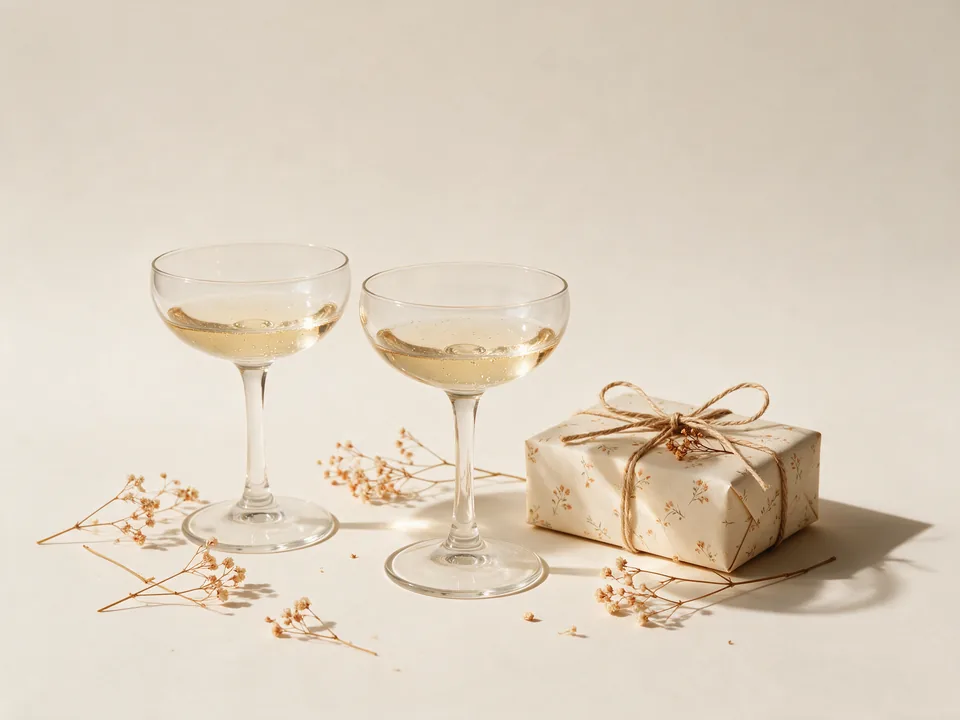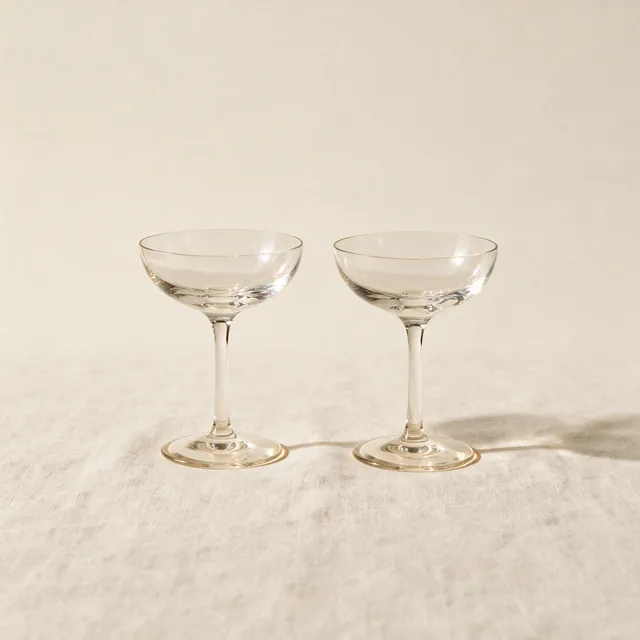
Champagne coupes, a pair or six
Used at every anniversary, every good dinner and every piece of news worth toasting. Coupes photograph the marriage better than flutes and hold sorbet in the off season.
Some links on this page go to Amazon. If you buy through one we earn a small commission, at no extra cost to you. It never changes what we recommend or the order we put things in. Photographs here are illustrations of the kind of thing described, not pictures of a particular product.
For when you want to hand them something real. All four get used for decades.
Used at every anniversary, every good dinner and every piece of news worth toasting. Coupes photograph the marriage better than flutes and hold sorbet in the off season.
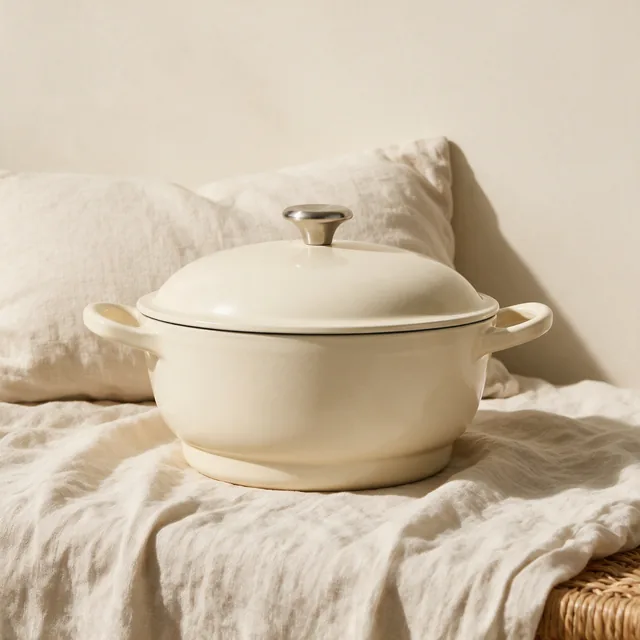
The classic wedding object for a reason: it cooks for two or for twelve, it never wears out, and it is the pot that ends up meaning Sunday in a household.
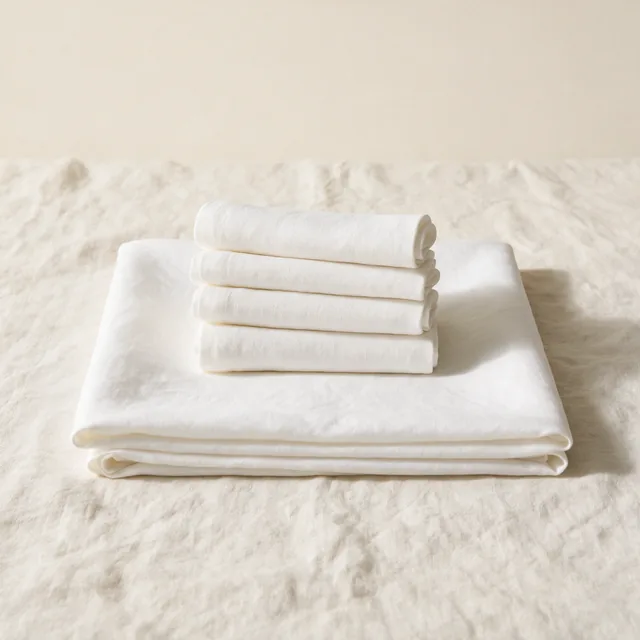
The thing that turns their first dinners as hosts into occasions. Linen outlasts cotton by years and looks better every time it is washed.
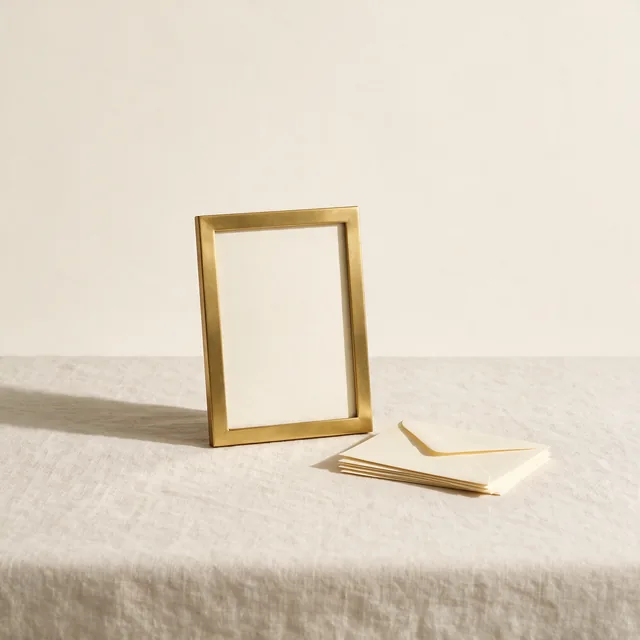
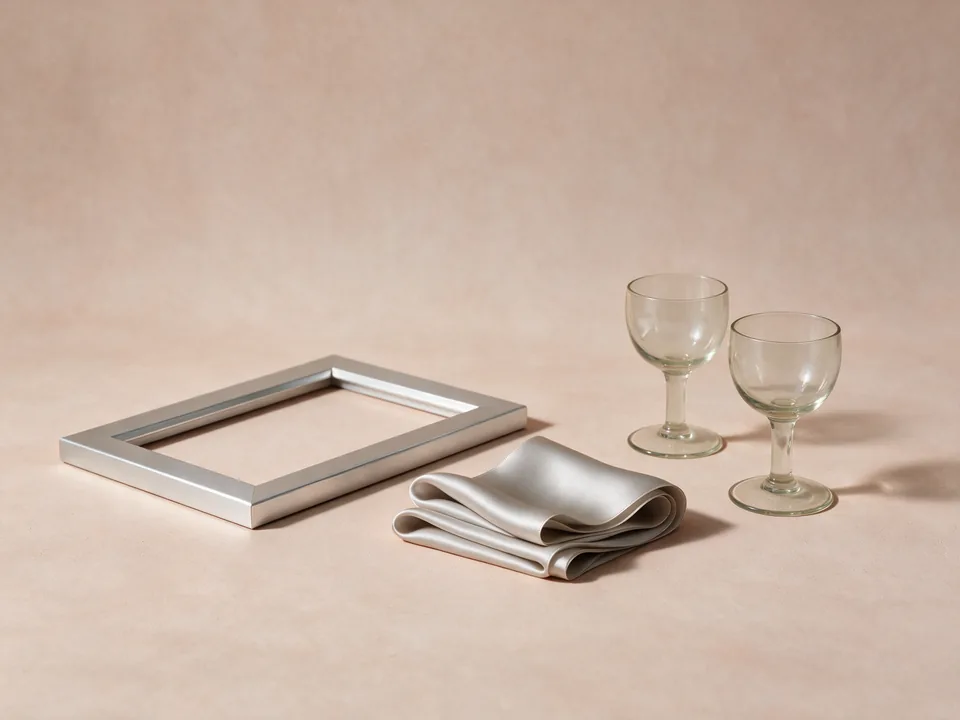
Every couple ends up with one photograph that matters more than the rest. A solid brass or wood frame, given empty, is a quiet bet that they will find it.
The objects a new household uses weekly for thirty years.
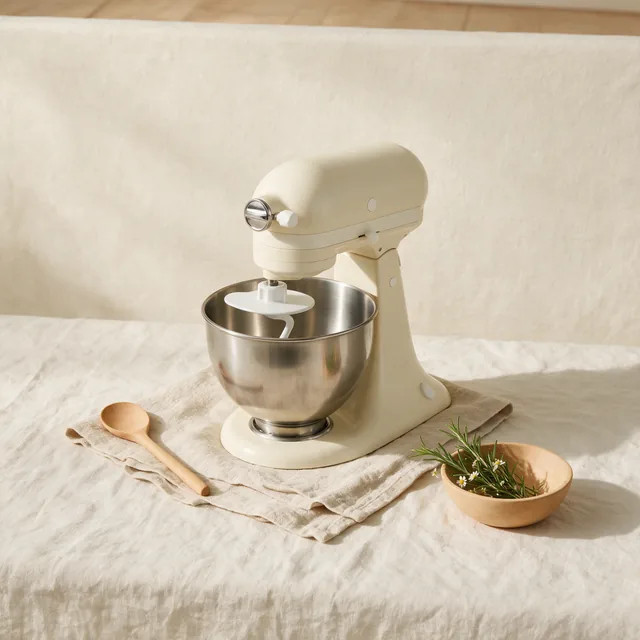
The classic pooled wedding gift. Expensive alone, straightforward when four people share it.
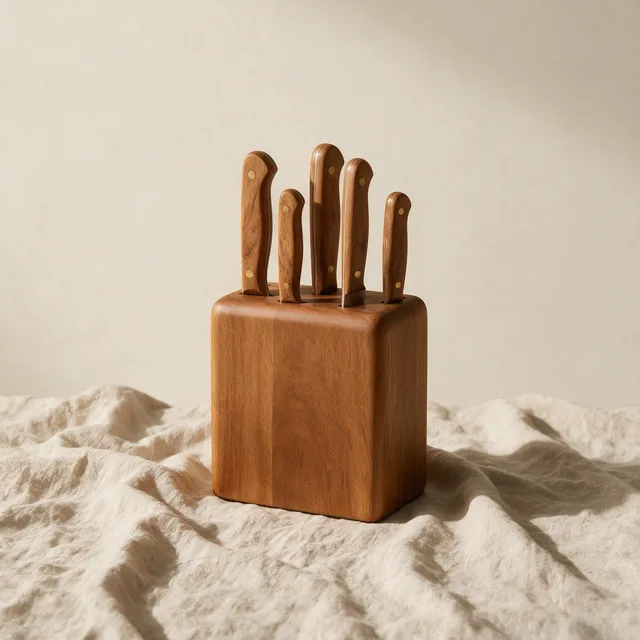
One chef, one paring, one bread, stored properly. A block keeps them sharp and off the worktop.
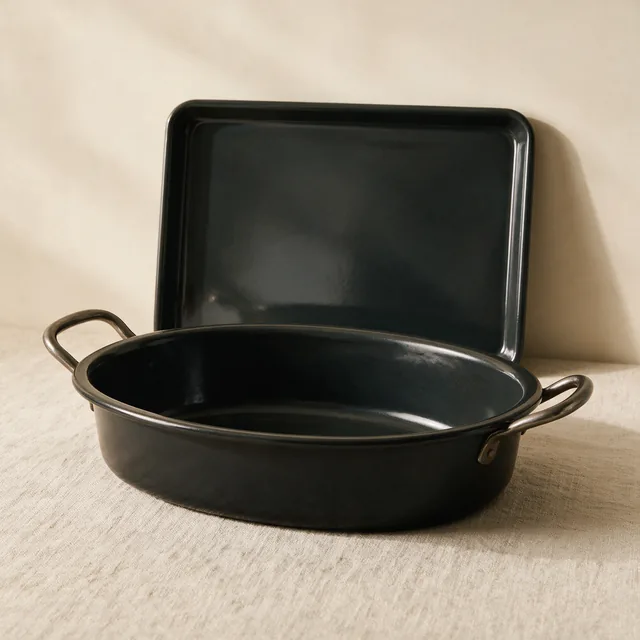
The two pans every recipe assumes you own. Thin ones warp on the first roast.
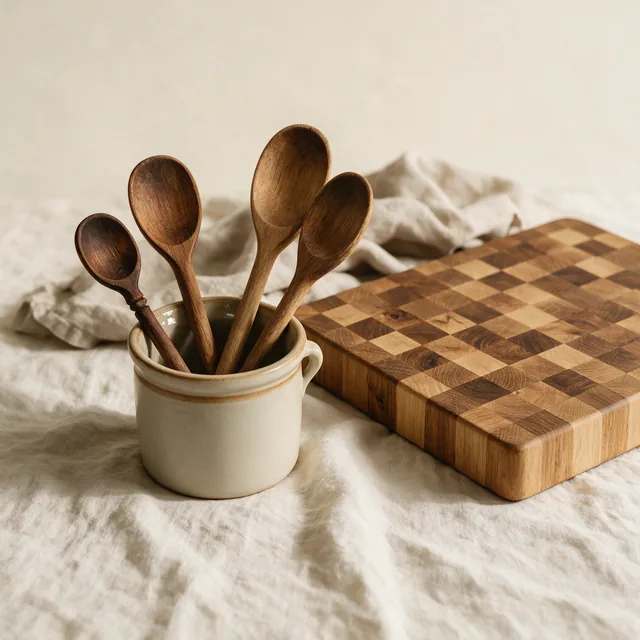
Small, cheap, replaced never. Buy the thick ones that do not splinter.
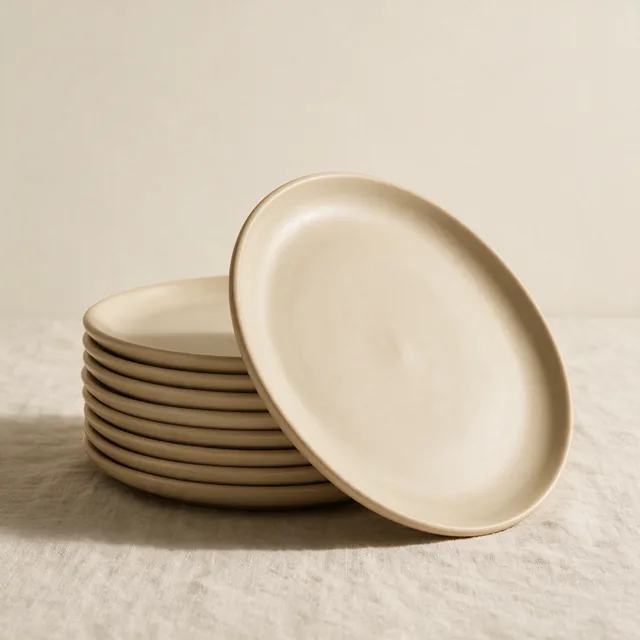
Six of one thing they can replace in five years. Wedding china that cannot be replaced becomes a burden.
The things a new household buys last and uses first.
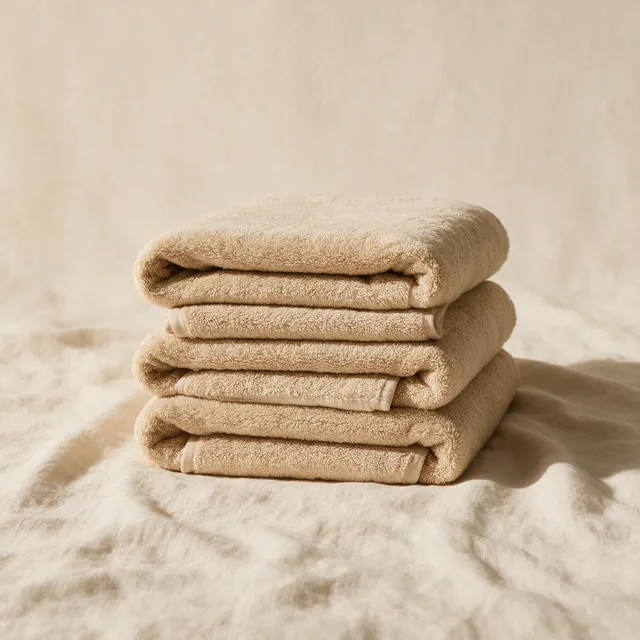
Couples merging two flats usually end up with eight mismatched towels and none of them good. Four large ones in a single color is the fix, and it lasts a decade.
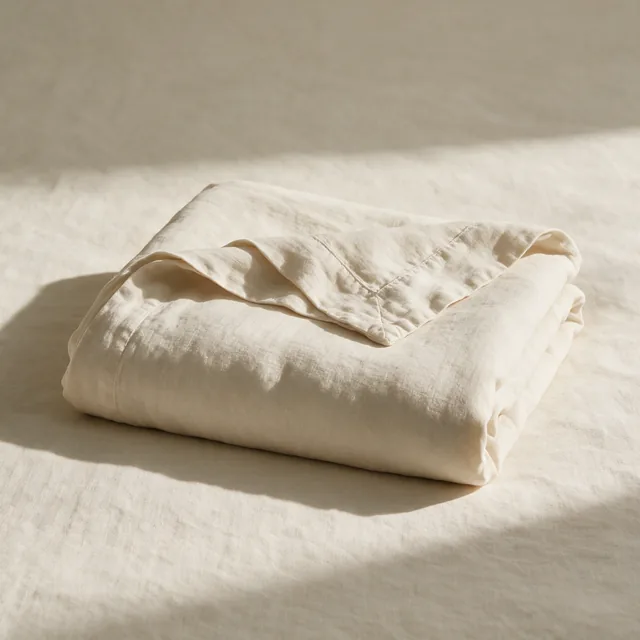
It is the thing they will not buy for themselves and will notice every night. Washed linen gets softer for years rather than wearing out.
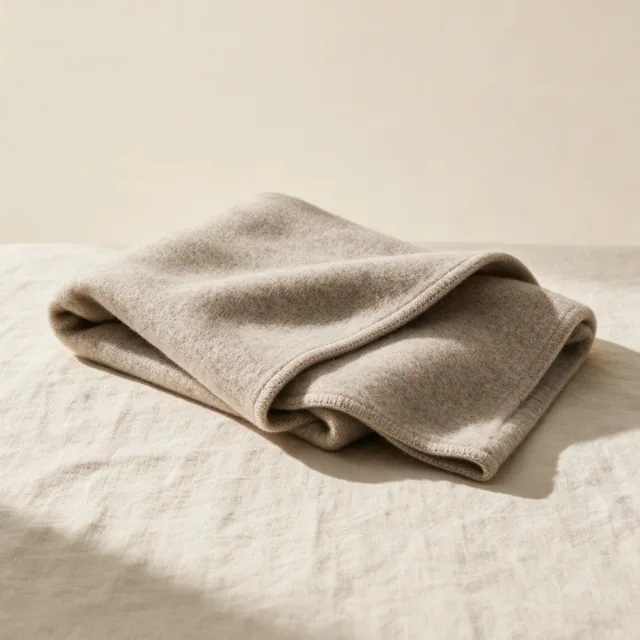
Warm without weight, and it survives being sat on, dragged to the sofa and washed. A plain one outlives the fashion for whatever is on the bed now.
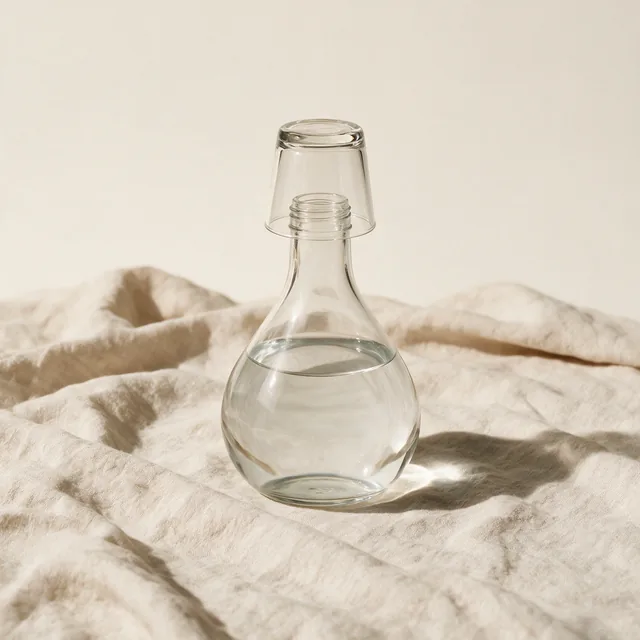
A small civilizing object that nobody buys and everybody uses. The glass sits on top of the carafe so it takes almost no space.
The default problem: two people with a full kitchen and no stated wants.
In many families this is expected and in others it feels blunt, so read the room. Where it is normal, it is the most useful thing a couple gets, particularly if they are paying for the wedding themselves.
A heavy casserole, a proper knife, good bedding. The rule is to buy the object they already own in a cheap form and give it in the form that lasts thirty years.
A specific dinner, a specific night, a specific excursion, paid for rather than handed over as cash. It attaches a memory to the gift and it avoids the vagueness of a general fund.
Only if the plan is real and near. Storage is the constraint on wedding gifts, so anything large should be agreed in advance.
Gifts that solve a problem the couple has on the morning rather than after.
Couples routinely cut this and routinely regret it. An hour of the getting-ready and the speeches covers what the main photographer usually misses.
Cars for the couple, or a minibus for guests at the end of the night. Deeply unromantic and consistently the thing that goes wrong.
Arranged with the hotel, or delivered. Nobody eats properly on the day and nobody has organized the morning, so it lands almost every time.
For close friends and family, where a household object would be a missed opportunity.
From a photograph, done by an illustrator rather than an app. It becomes the thing on the stairs rather than the thing in the loft.
A musician for the ceremony, or the recording of a specific song. It sits in the day itself rather than in the pile of boxes afterwards.
Written now, sealed, and given with instructions. It costs nothing and it arrives a year later when the wedding gifts are long since absorbed.
Twelve bottles that keep, with the instruction attached. It turns one gift into a decade of small occasions.
Put in the date and see how long you have, and the last sensible day to order each kind of gift.
It becomes an anniversary for the rest of their lives. We'll remind you about a month ahead, every year.
If there is a registry, use it. It exists precisely so that guests do not have to guess, and going off-list is a decision to prioritize your own taste over theirs. The exceptions are narrow: something genuinely personal, or something for the day itself that a registry cannot hold.
Where the interesting decisions happen is when there is no registry, or when the couple has lived together for years and needs nothing. Then the useful categories are things they would not buy themselves, things about that specific day, and things they will use once a week for a decade.
One thing worth planning: whatever you give, the wedding date is the most valuable date in this entire site to write down. It comes back every year for the rest of their marriage, and the person who remembers year seven is remembered for it.
It varies enormously by country, family, and how close you are, and there is no figure that is correct everywhere. The more useful guide is to spend what you would be comfortable spending on that person for any major occasion, and not to treat the cost of your attendance as part of the calculation.
For a personal gift, yes. For a household one, rarely, the registry is a list of what they actually want, and going around it usually means the couple ends up with something they now have to store and be gracious about.
It depends entirely on the family and the culture, and in many it is both expected and preferred. If you are unsure, ask someone closer to the couple rather than guessing.
Sending it to the couple's home before or after the day is easier for everyone than carrying it to the venue. If it is made to order, allow about a month and use the countdown tool to work back from the date.