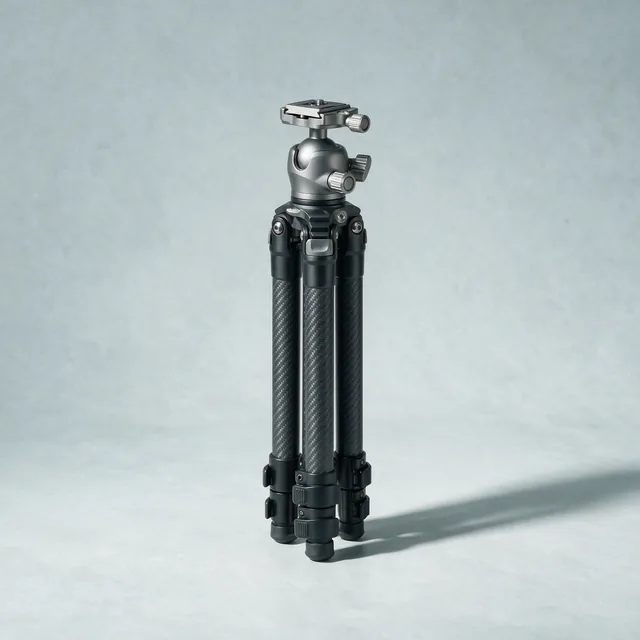
A tripod that does not wobble
Cheap tripods shake, which is why they get left at home. One solid tripod outlasts three bad ones and makes low light and landscape work possible.
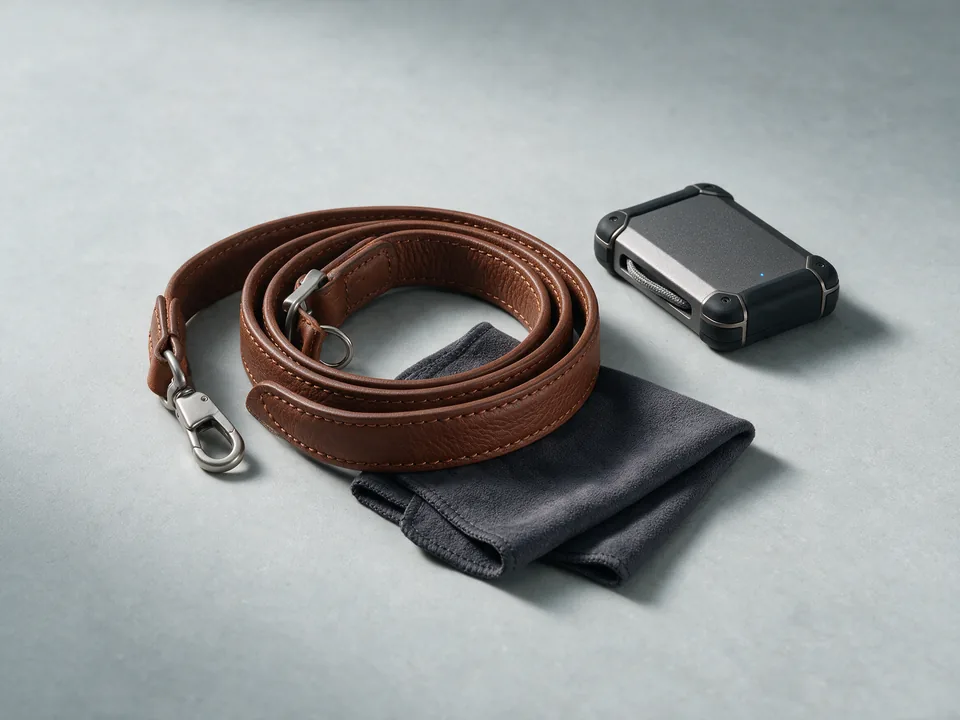
Some links on this page go to Amazon. If you buy through one we earn a small commission, at no extra cost to you. It never changes what we recommend or the order we put things in. Photographs here are illustrations of the kind of thing described, not pictures of a particular product.
What actually limits picture quality after the lens.
Cheap tripods shake, which is why they get left at home. One solid tripod outlasts three bad ones and makes low light and landscape work possible.
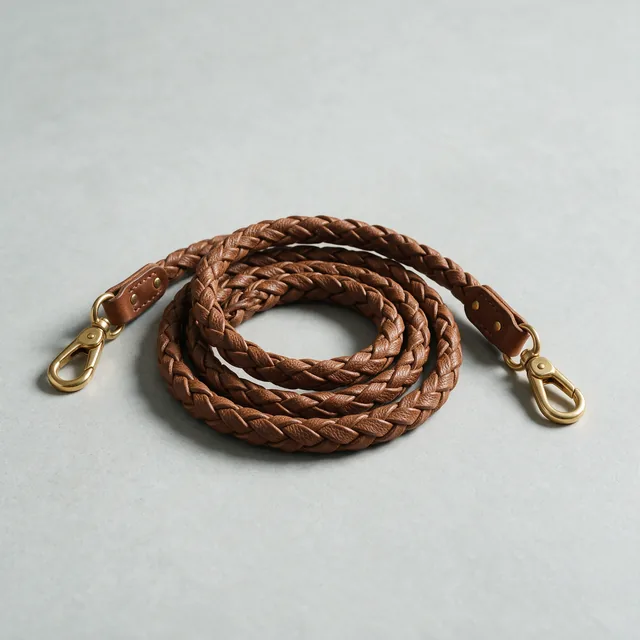
The strap in the box is uncomfortable and advertises the brand. A wide leather or webbing strap is used every single time they go out.
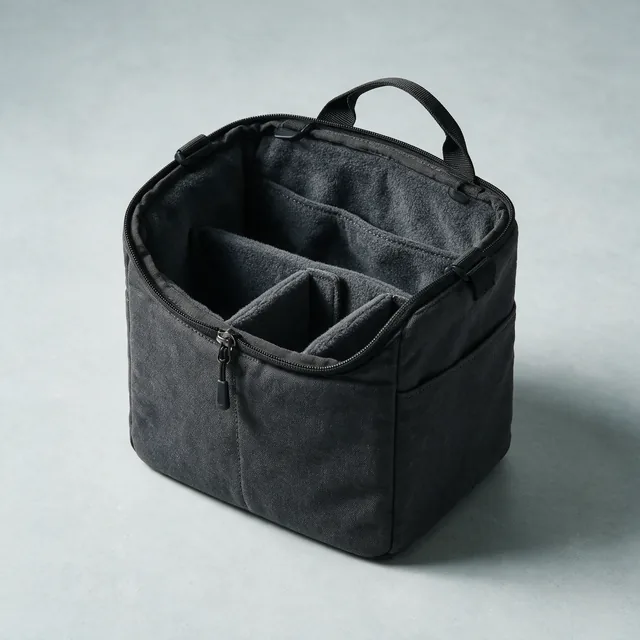
Padded inserts turn a bag they already like into a camera bag. It solves the problem without making them carry something that looks like equipment.
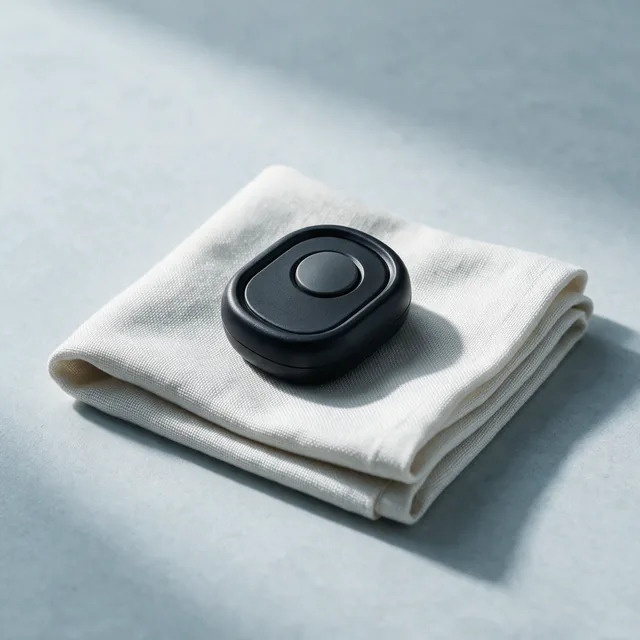
For long exposures, self-portraits and anything on a tripod. Cheap, small, and constantly forgotten.
The least glamorous need and the most urgent one.
Photographers fill drives constantly and then keep the only copy on the one that is filling. A fast external drive is used the day it arrives.
Cards fail, get full at the wrong moment, and are easy to have too few of. Buy the speed class their camera can actually use.
Small, waterproof, and it prevents the specific disaster of a loose card in a coat pocket. It costs almost nothing.
The gift nobody buys themselves until after they have lost something. A year of offsite backup is genuinely thoughtful, if unromantic.
The two things that make photographs better and more visible.
Choose an image they made, have it printed properly and framed. It is inexpensive, it takes attention rather than money, and it is remembered.
Looking at work is how photographers improve. A well printed monograph is studied for years and does not depend on which camera they own.
Controlling light is the fastest route to better pictures. A folding reflector costs very little and does most of the work outdoors.
Time with someone better, in a place worth photographing. It improves the pictures more than any accessory at the same price.
The parts that are not the camera.
Dust is inevitable and hardware shops sell nonsense. A real kit with a blower and swabs is used for years.
Running out mid-shoot is the classic failure. Two spares and a charger is the fix.
The accessory that makes daylight long exposures possible, and the one most people put off buying. Sizes matter, so check the lens first.
Continuous light for tabletop and video. Battery powered ones travel well.
Prints that do not match the screen are a calibration problem. It is the unglamorous fix.
Most tripod problems are the head, not the legs. A good ball head is a real improvement.
Getting pictures off the drive and onto a wall is the point of the hobby.
Humidity grows fungus inside lenses. In damp climates this saves expensive glass.
Put in the date and see how long you have, and the last sensible day to order each kind of gift.
We'll remind you about a month ahead, which is enough time to get a print made properly rather than rushed.
Cameras and lenses are the obvious gift and almost always the wrong one. They are expensive, system-specific and chosen after long deliberation. Buying either without being asked is a good way to spend a lot of money on the wrong object.
Everything around the camera is safer and often more useful. Photographers are chronically short of storage, decent bags, stable support and any way of getting pictures off a hard drive and onto a wall.
Printing deserves special mention. Most photographs made now are never seen at any size, and a good print of a picture someone took is one of the most affecting gifts in this whole catalog.
Only if they have named the exact one. Lenses are system-specific, expensive and chosen carefully, and the difference between two similar options matters enormously to the person using them.
Storage, support and prints. A fast external drive, a tripod that does not wobble, or a properly printed and framed photograph they took themselves are all welcome regardless of what camera they use.
Yes, in both directions. A book of their own pictures from a trip or a year is one of the most personal gifts available, and a monograph by a photographer they admire gets studied for years.
A used body with one simple lens is usually better than an expensive kit, because most beginners are limited by light and practice rather than equipment. Ask first, since phone cameras satisfy many people entirely.