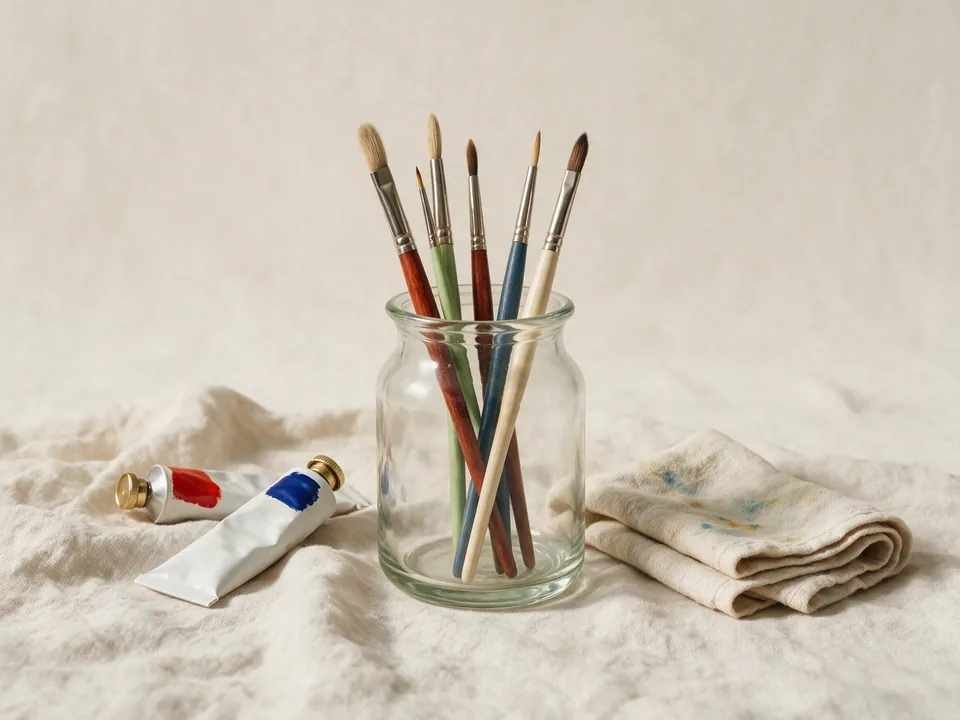
Professional grade paint in their colors
Higher pigment load means stronger color and better mixing. Photograph the tubes on their desk and buy the same names in the artist range.
Some links on this page go to Amazon. If you buy through one we earn a small commission, at no extra cost to you. It never changes what we recommend or the order we put things in. Photographs here are illustrations of the kind of thing described, not pictures of a particular product.
Depth in what they already use, not breadth.
Higher pigment load means stronger color and better mixing. Photograph the tubes on their desk and buy the same names in the artist range.
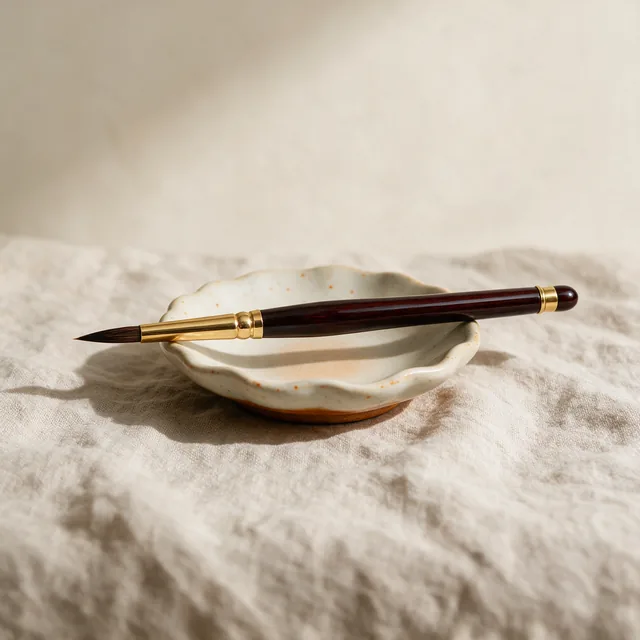
A single well-made brush outperforms a pack of ten and lasts years if looked after. Match the shape they reach for most.
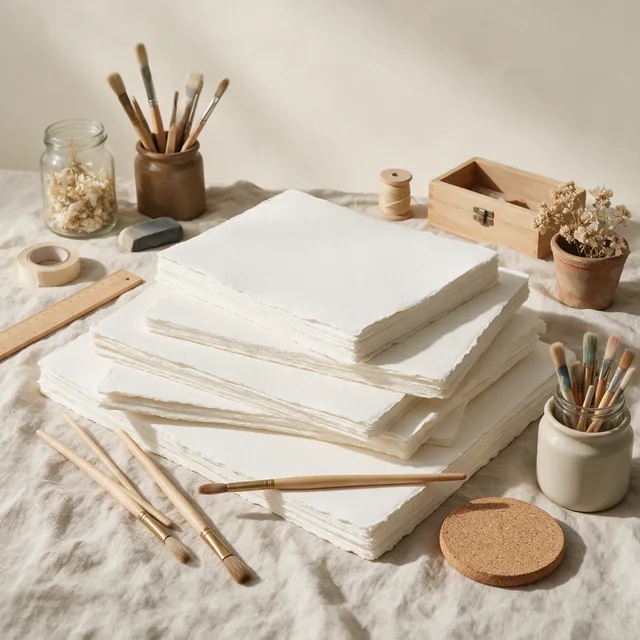
Thin paper buckles and limits what can be attempted. A block of heavy cotton paper is the constraint most people are working against without realizing.

A sealed wet palette for acrylics or a large ceramic one for watercolor. It reduces waste and makes longer sessions possible.
Light, space and storage decide how often someone actually works.
Color judged under warm household bulbs looks wrong in daylight. A daylight-balanced lamp is the difference between painting in the evening and giving up until spring.
A table easel for small work, a standing one for large. Working flat on a desk distorts perspective and hurts a back over time.
A portfolio case or a plan chest keeps work from curling, tearing and being lost. Artists accumulate faster than they display.
Cheap, portable, and it turns any table or a lap into a working surface at the right angle.
Getting finished pieces off the pile and onto a wall.
Choose a finished piece, have it framed properly, and give it back to them framed. It is inexpensive and it treats their work as work.
Materials are personal, and this lets them buy the exact pigment or paper they were going to run out of anyway.
Time with a model or a tutor is the fastest improvement available. A block of sessions is better than a single one.
Looking closely at good work is part of the practice. A large, well printed book is studied for years.
Where the work happens and where it ends up.
Adjustable light exactly where the work is. It extends the working day by hours.
Somewhere for the paints that is not the floor. It turns a corner into a studio.
Acid-free folders and a flat box. Work that survives is work that can be shown.
Small, consumable, and the cheap ones smear. Anyone drawing uses these daily.
Protects charcoal, pastel and acrylic. Boring to buy and needed at the end of every piece.
Cheap paper in a big size encourages the bad drawings that lead to good ones.
Brushes die from bad cleaning. A bar of brush soap costs little and doubles their life.
For anyone drawing figures. Useful, cheap and used at the desk constantly.
Put in the date and see how long you have, and the last sensible day to order each kind of gift.
We'll remind you about a month ahead, which is enough time to get a piece framed properly before the day.
Artists are particular about materials in the same way musicians are about instruments. Paint, brushes and paper are chosen for how they behave, so a large mixed set of unfamiliar supplies is rarely a gift they can use.
What works is depth rather than breadth: more of the exact thing they already use, in a better grade. A single tube of professional paint in their palette beats a boxed set of twenty student colors.
Beyond materials, the reliable gifts are light, storage, and getting work off the desk and onto a wall. Most artists have a pile of finished pieces nobody has ever seen framed.
More of what they already use, in a better grade. Photograph the labels on their desk and buy the same paints or paper in the professional range rather than introducing an unfamiliar brand.
For a beginner, yes. For a working artist, usually not, because the colors and brushes are chosen for the box rather than for them, and most of it will go unused.
Light, storage and framing. A daylight lamp extends the working day, flat storage protects finished pieces, and framing one of their own works is consistently one of the best received gifts.
Only with their input. Drawing tablets vary widely in feel and software support, and someone working in paint may have no interest in working digitally at all.