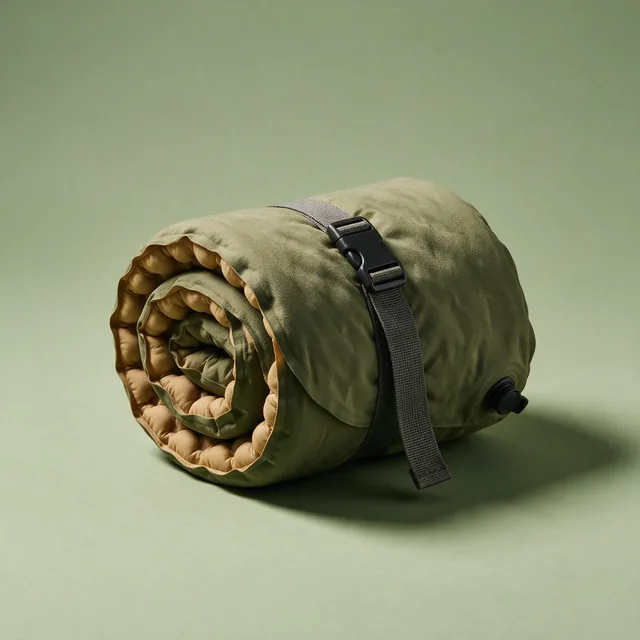
An insulated sleeping mat
Cold comes up from the ground, not down from the air. An insulated inflatable mat is the improvement most campers have not made and the one they notice immediately.
Some links on this page go to Amazon. If you buy through one we earn a small commission, at no extra cost to you. It never changes what we recommend or the order we put things in. Photographs here are illustrations of the kind of thing described, not pictures of a particular product.
The difference between a good trip and a long night.
Cold comes up from the ground, not down from the air. An insulated inflatable mat is the improvement most campers have not made and the one they notice immediately.
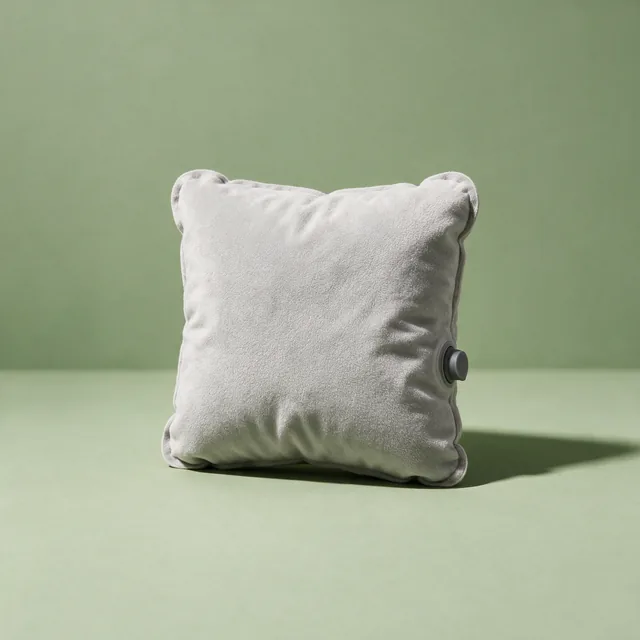
Rolled clothing is a bad pillow and everyone pretends otherwise. An inflatable or compressible one weighs almost nothing and improves every night out.
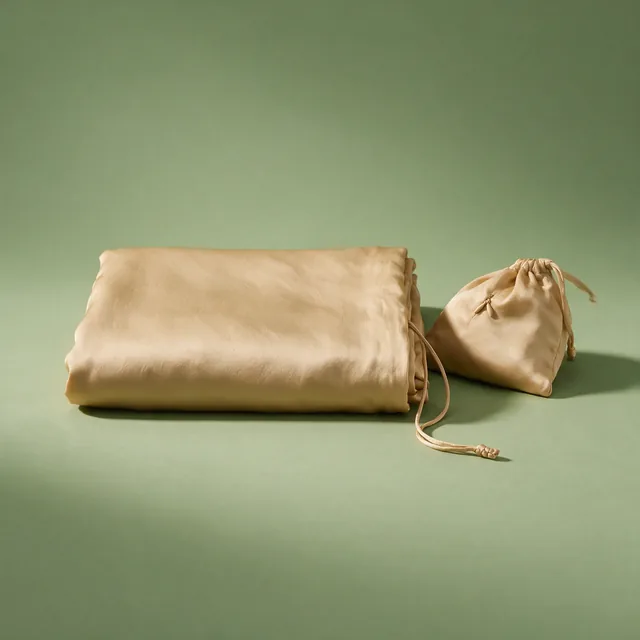
Adds several degrees of warmth, keeps the bag clean, and doubles as a summer bag on its own. Silk or merino for weight, fleece for warmth.
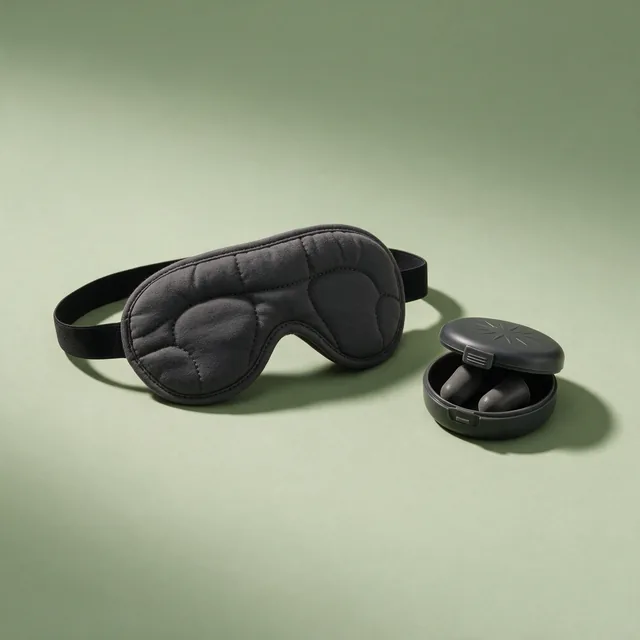
Campsites are noisy and summer mornings start at four. This is a tiny gift that solves the most common complaint about camping.
The three things that decide whether a day out was a good idea.
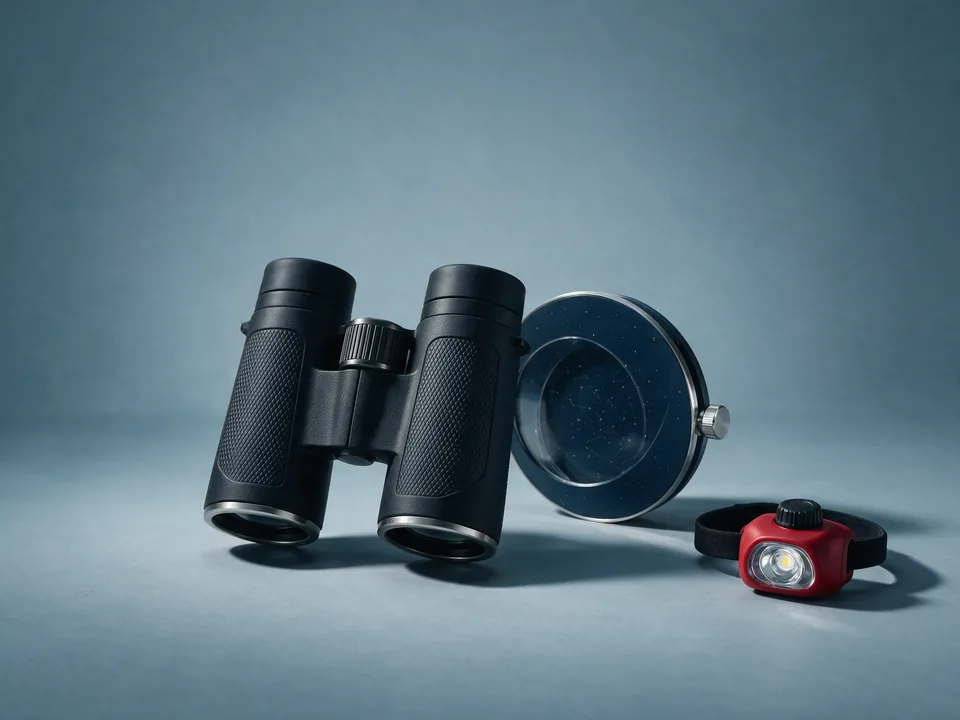
Hands-free light for cooking, tents and early starts, and a red mode that does not blind everyone else in camp. Rechargeable models have made batteries mostly obsolete.
Hot drink at the summit changes the mood of a cold day. Buy on insulation performance rather than looks, and check it fits a pack side pocket.
Warm when damp, unlike down, and it packs small enough to live permanently in a pack. Sizing is forgiving in a way that boots are not.
Turns every stream into a refill and takes kilograms out of a pack. For anyone doing multi-day walks, it is the most useful thing on this page.
Small, cheap and used on every single trip.
Hot food and a hot drink transform a wet evening. Check which fuel system they already own before buying, because canisters are not universal.
Patches, seam sealer and a pole splint. It weighs nothing and saves a trip roughly once every few years, which is a good enough return.
They keep a sleeping bag dry, organize a pack, and outlast almost everything else. Nobody has enough of them.
Phones run out of battery in the cold. A proper map of a specific route is both a practical item and a nudge toward the trip itself.
What actually gets carried.
Light, indestructible and used at every meal outdoors.
The luxury item everyone is glad someone brought.
Batteries die fast in the cold. A rugged one keeps a phone alive for navigation.
Wet down is a ruined trip. This is the cheapest insurance in a pack.
Warm damp, and they do not smell after three days. Sizing is forgiving.
Leave no trace, practically. Small, light and rarely bought.
Knees on descents and stability with a heavy pack. Adjustable ones suit anyone.
Rigid mugs take up the space of three collapsible ones. A silicone one folds into a pocket and stops the mug being the reason something else stays home.
Put in the date and see how long you have, and the last sensible day to order each kind of gift.
We'll remind you about a month ahead, which is usually enough time to get gear before the season they need it in.
Outdoor gear divides neatly into things that must fit and things that do not. Boots, packs and waterproofs are fitted to a body and are a bad guess. Everything to do with sleeping, cooking, light and warmth is fair game.
The best outdoor gifts usually improve the night rather than the walk. Most people buy a decent tent and then sleep badly for years on a thin mat, which is what actually determines whether a trip was enjoyable.
Weight matters more than it looks. Anything they carry on their back is judged in grams, so a lighter version of a thing they already carry is a genuinely thoughtful gift rather than a duplicate.
An insulated sleeping mat, if they are still using a thin foam one. Sleep quality decides whether a trip was enjoyable, and it is the piece of kit people most often leave unupgraded.
No. Boots have to be fitted to a foot and broken in, and the wrong pair causes injuries rather than disappointment. A gift card to an outdoor shop that does proper fitting is the better version of this gift.
Gas canisters, dry bags, spare laces, blister plasters and map cases. None of it is exciting, all of it gets used, and it is exactly the kind of thing people put off buying.
For waterproofs and insulation, often yes, because the failure mode is being cold and wet a long way from home. For everything else, mid-range kit that fits properly beats expensive kit that does not.