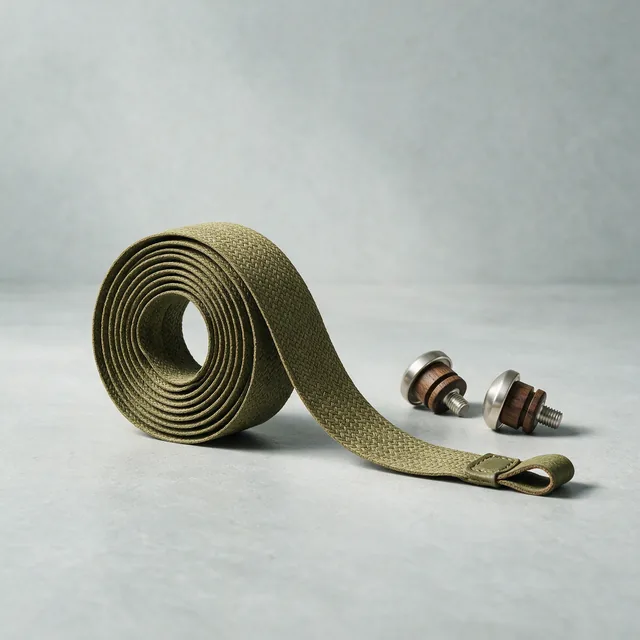
Good bar tape
Cheap, quick to fit, and it transforms how a bike feels in the hands. Most riders put off replacing it long past the point it has gone hard and grubby.
Some links on this page go to Amazon. If you buy through one we earn a small commission, at no extra cost to you. It never changes what we recommend or the order we put things in. Photographs here are illustrations of the kind of thing described, not pictures of a particular product.
Always needed, never exciting to buy, always used.
Cheap, quick to fit, and it transforms how a bike feels in the hands. Most riders put off replacing it long past the point it has gone hard and grubby.
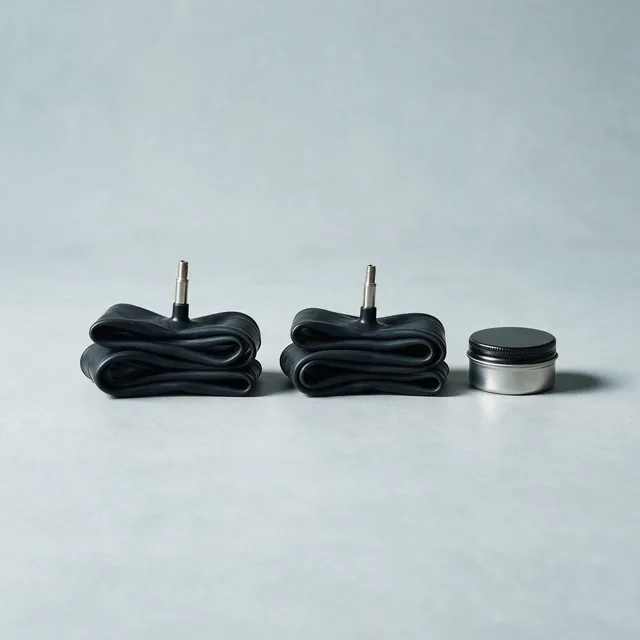
They are never at home when needed. A stack of tubes in the right size and valve length is the least glamorous and most used gift on this page.
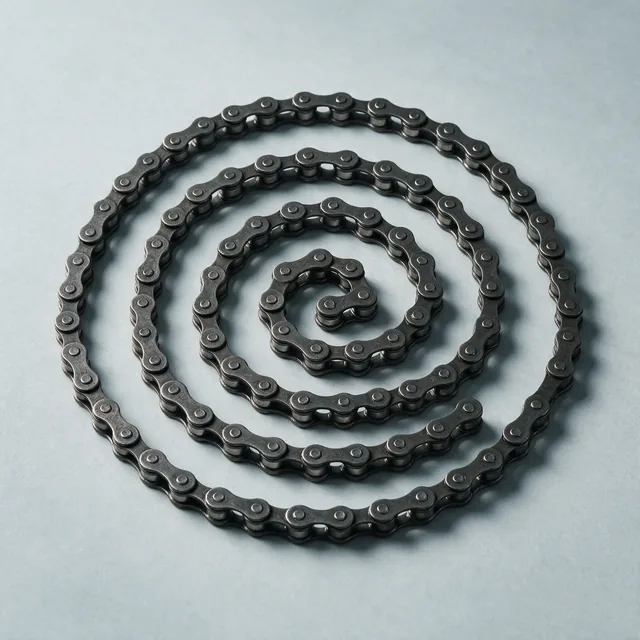
Chains stretch and then chew the more expensive parts around them. Replacing one on time is the cheapest way to protect a drivetrain.
Wet lube for winter, dry for summer. Buy both, because the one they need is always the one they ran out of.
The gifts that add months to someone's riding year.
Daytime running lights are the single most effective safety item available, and almost nobody buys one for themselves. Look for a long burn time on a flashing mode.
There is a large difference between a light that lets you be seen and one that lets you see. For anyone commuting through winter, buy the second kind.
Feet and hands are what end a winter ride early. These are sized generously and are much safer to buy than shoes.
Warm when damp, and it does not smell after a long day. Sizing is forgiving compared with anything with a chamois in it.
Tools that make maintenance likely rather than theoretical.
Working on a bike upside down on the kitchen floor is why maintenance gets skipped. A stand at chest height turns a two-hour job into twenty minutes.
Carbon parts crack when overtightened and bolts rattle loose when they are not. A small preset torque tool removes the guessing entirely.
Mini pumps are for emergencies. A floor pump with an accurate gauge means correct pressure before every ride, which is free speed and fewer punctures.
A tiny tool that says when to replace a chain before it destroys the cassette. It pays for itself the first time it is used.
Small kit carried on every ride.
Everything needed for a roadside puncture, permanently attached to the bike.
The two things always missing when it matters. Cheap, small, and worth having spares of.
Allen keys, torx and a chain breaker in one. It lives in a jersey pocket for years.
Winter riding is transformed by not being sprayed. Check the frame clearance before buying.
Unfashionable and genuinely useful on shared paths and commutes.
The gift that sounds silly until the first wet January ride. Nothing else keeps feet usable.
Keeps pockets empty and food reachable. It suits long rides and commuting equally.
The bag decides whether the spare tube actually travels with the bike. A small one that fits under the saddle is the difference between carrying it and not.
Put in the date and see how long you have, and the last sensible day to order each kind of gift.
We'll remind you about a month ahead, which is enough time to check what size and standard their bike actually takes.
Cycling has a clear rule: never buy anything that has to fit. Saddles, shoes, helmets and shorts are personal and expensive to get wrong, and a cyclist has usually spent years finding what works for their body.
What is safe is everything that wears out. Tires, tubes, chains, bar tape, brake pads and gloves are all consumed, all boring to buy, and all genuinely welcome. So is anything that makes riding in the dark or the cold more comfortable.
The other safe category is the workshop. Most riders own three tools and borrow the rest. A good stand, a torque wrench or a proper chain checker changes maintenance from a chore into something they will actually do.
Anything that has to fit: a saddle, shoes, a helmet or padded shorts. Fit is personal, expensive and hard to return once used, and most riders have already spent years working out what suits them.
Consumables and lights. Tubes, tires, bar tape, chain lube and a bright rear light are used constantly, do not depend on body shape, and are the things riders put off buying for themselves.
Photograph the bike and the tire sidewall, or ask what wheel size and how many gears it has. Tubes need the right diameter and valve length, and chains need the right speed count.
They can be, but only if the rider tracks their riding already. Someone who rides for the pleasure of it may not want data, while someone training will have strong views about which one they want.