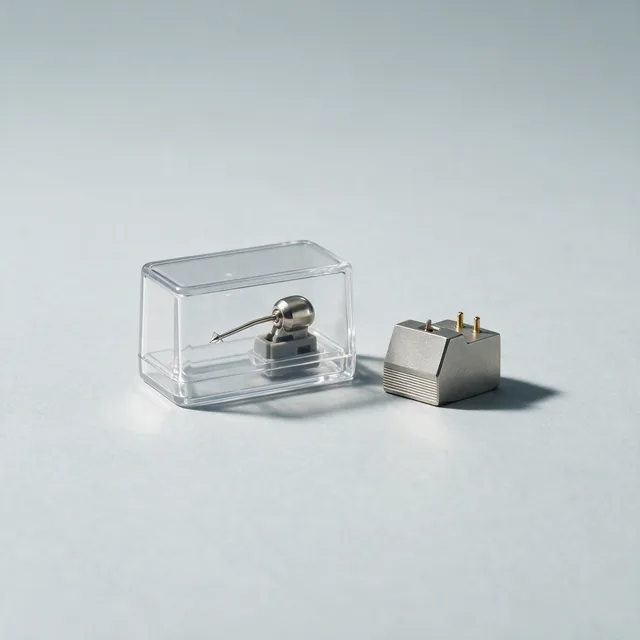
A replacement stylus
Styli wear out after a few hundred hours and a worn one damages records permanently. Check the cartridge model first, then buy the correct replacement.
Some links on this page go to Amazon. If you buy through one we earn a small commission, at no extra cost to you. It never changes what we recommend or the order we put things in. Photographs here are illustrations of the kind of thing described, not pictures of a particular product.
Cheap, technical, and almost never bought voluntarily.
Styli wear out after a few hundred hours and a worn one damages records permanently. Check the cartridge model first, then buy the correct replacement.
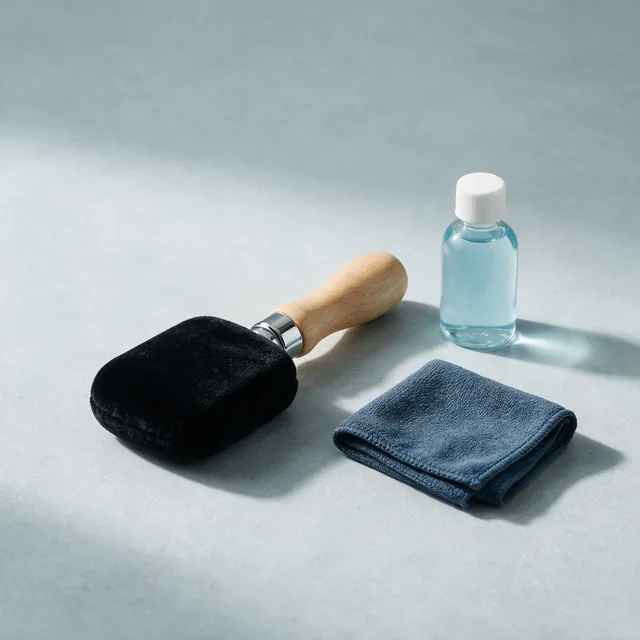
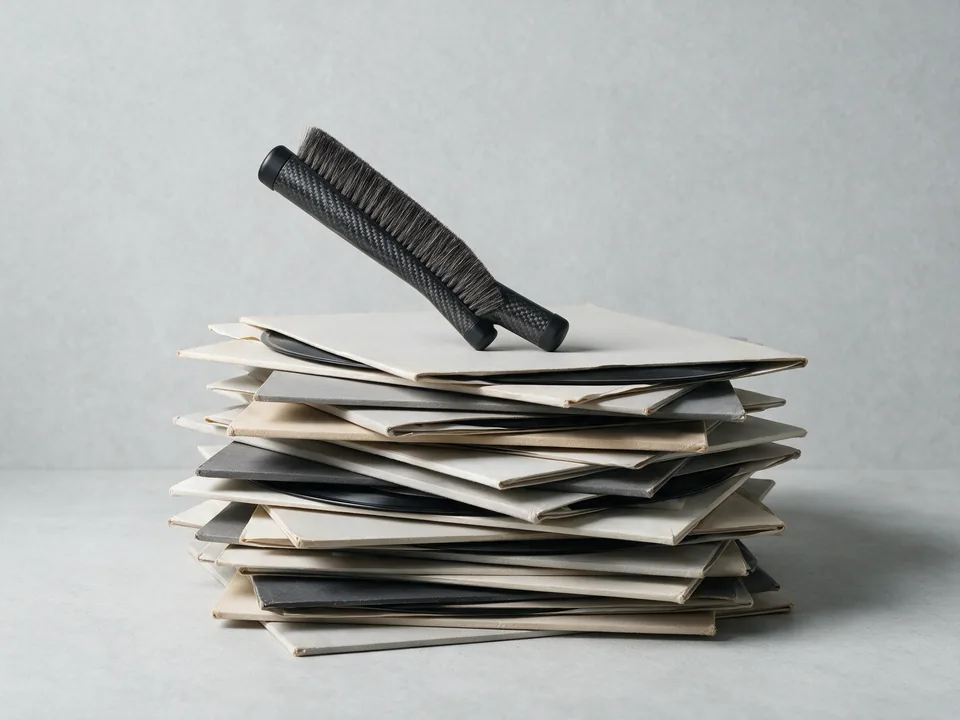
A carbon fiber brush for every play and a wet cleaning solution for the rest. Surface noise that people blame on old records is usually just dust.
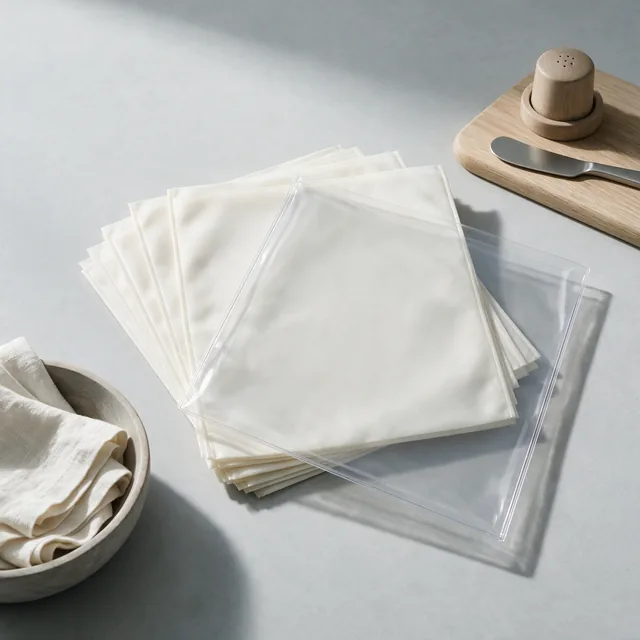
Anti-static inners protect the record and poly outers protect the artwork. Buy them by the hundred, because a collection always needs more.
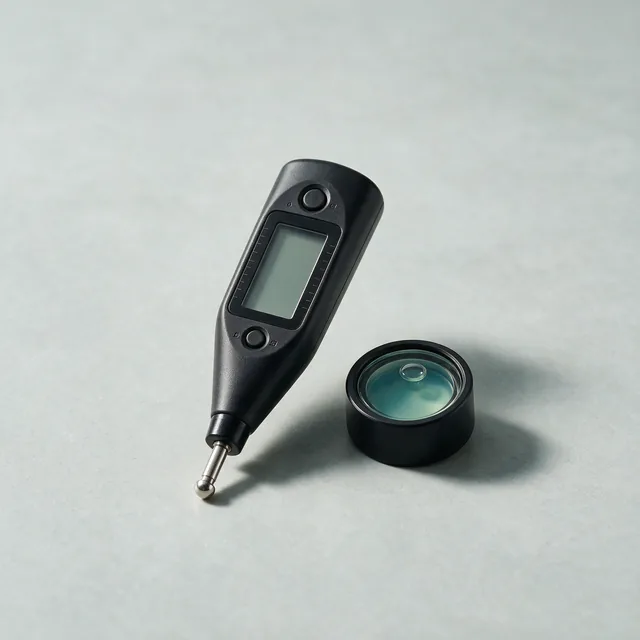
Tracking too heavy or too light wears records and sounds worse. A cheap digital gauge takes ten minutes to use and protects everything they own.
Where the money actually changes the sound.
The single biggest gain in sound available on most turntables, and much cheaper than a new deck. Check what their tonearm accepts before buying.
Turntables pick up vibration through the surface they stand on. Isolation feet or a heavy slab clean up the bass more than the price suggests.
For listening late without disturbing a household. Open-back designs sound closer to speakers, which is what a record listener is after.
The built-in preamp in most amplifiers is an afterthought. A standalone phono stage is a real improvement for anyone still using one.
For the parts of the hobby that are not equipment.
Records must be stored vertically or they warp. A well-built cube shelf or a purpose-made crate protects a collection that is worth real money.
Collectors want specific pressings, and the shop knows them. It looks like less thought and produces a far better result than guessing.
The gift that becomes a story. Choose an artist they already follow rather than a venue you like the look of.
The making of an album they know well, or a history of the scene it came from. It gives more to listen for on the next play.
Where records live and how they sound.
The five being played this month, out and to hand. It stops them living on the floor.
Turns the collection into the decoration. Cheap and it changes a room.
Speakers on a shelf sound muddy. Pads are cheap and the difference is audible.
A dirty stylus sounds dull and wears records. Tiny, cheap, used every session.
Records are heavy and cheap shelves sag. Proper crates hold up.
Protects the record and the platter. A small, pleasing object nobody buys themselves.
Records after the household is asleep. It is the accessory that adds listening hours.
A collection past a hundred records needs sections or it stops being browsable. Rigid dividers are what a shop uses and what a shelf at home lacks.
Put in the date and see how long you have, and the last sensible day to order each kind of gift.
We'll remind you about a month ahead, which is enough time to catch a tour date rather than miss it by a week.
Records are a hobby where small maintenance items make a large difference and nobody buys them for themselves. A worn stylus quietly damages every record it touches, and most people have no idea how many hours theirs has done.
Buying actual records is riskier than it looks. Collectors have specific pressings in mind, and a reissue of something they own on an original pressing is a polite shrug rather than a gift.
The safest strong gifts are care, storage and live music. All three deepen the hobby without guessing at taste, and the last one is what people remember.
Only with care. Collectors often want a specific pressing and may already own the album in a version they prefer. A gift card to the shop they use, or tickets to see the artist, avoids the problem entirely.
A replacement stylus or a better cartridge, if you can find out which model they use. Both improve the sound of everything they own, and a worn stylus is quietly damaging their records in the meantime.
Vertically, in anti-static inner sleeves, away from heat and direct sun. Stacking them flat causes warping over time, which is the most common avoidable damage to a collection.
Yes. Most of the crackle people accept as part of vinyl is dust rather than wear, and a carbon fiber brush before each play removes most of it for a very small cost.