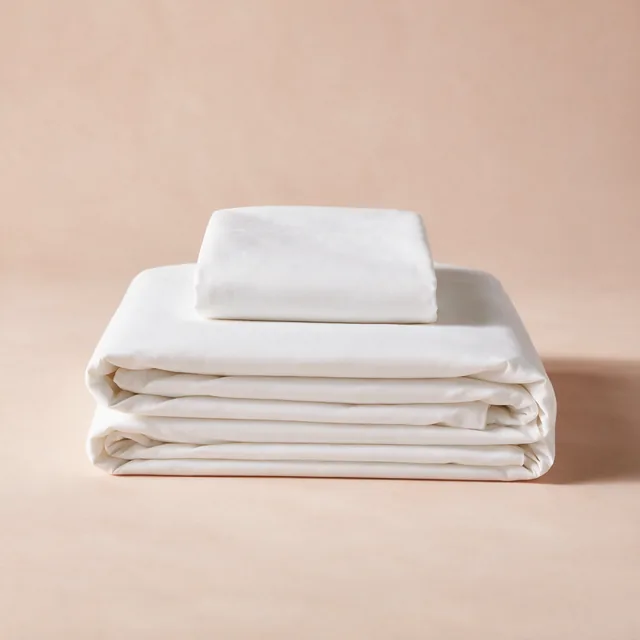
Bed linen a grade better than hers
Most people sleep on the sheets they bought when they moved in. Good cotton is used every night and almost never replaced voluntarily.
Some links on this page go to Amazon. If you buy through one we earn a small commission, at no extra cost to you. It never changes what we recommend or the order we put things in. Photographs here are illustrations of the kind of thing described, not pictures of a particular product.
Safe, generous, and used constantly.
Most people sleep on the sheets they bought when they moved in. Good cotton is used every night and almost never replaced voluntarily.
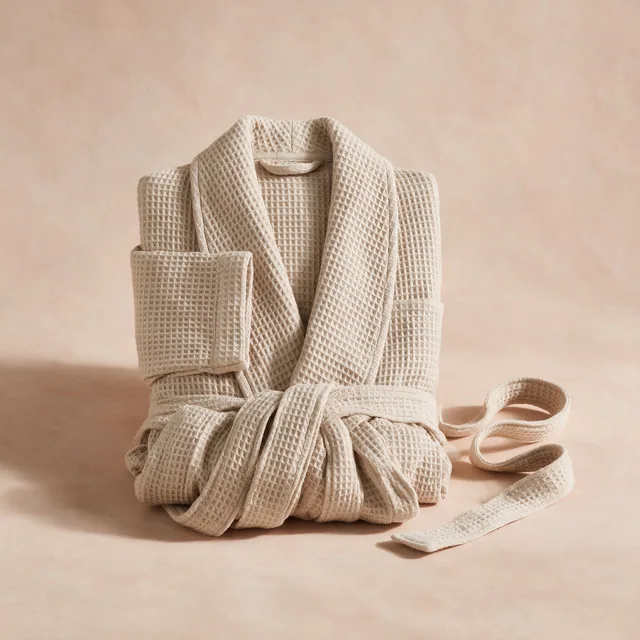
Everyday luxury, hard to justify buying for oneself, and immediately noticeable. Choose plain colors rather than guessing at decor.
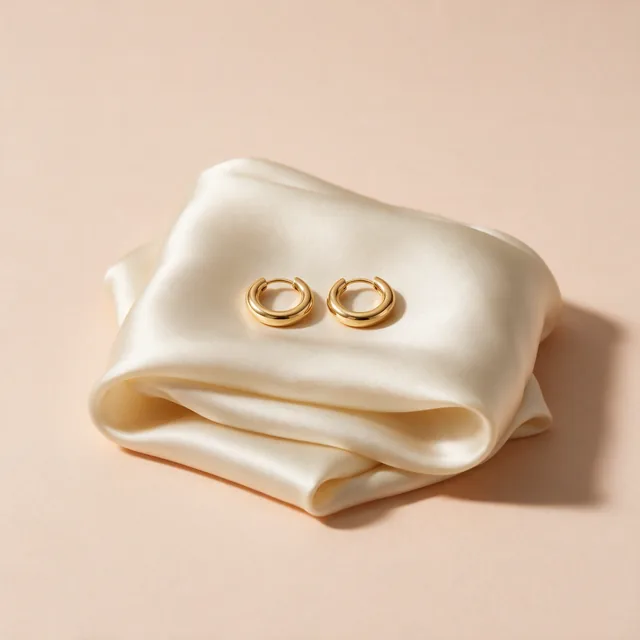
The hoops or chain she wears constantly, in solid gold or silver rather than plated. Look at what she actually wears rather than what is fashionable.
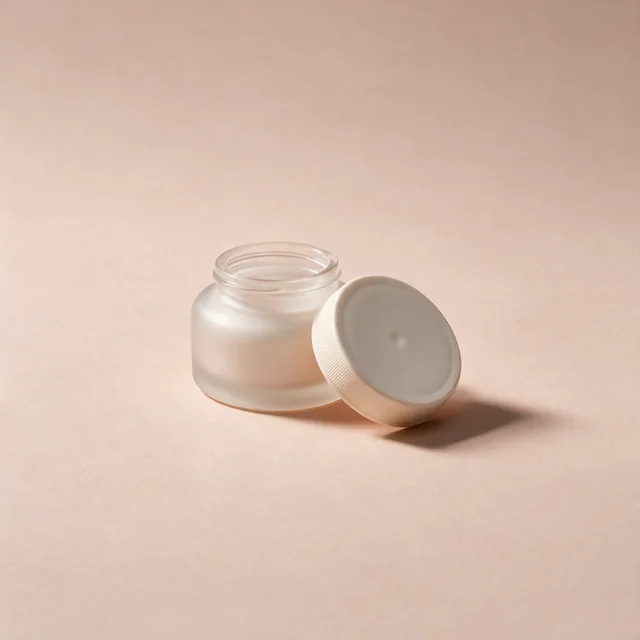
In the full size, which is the version people never buy for themselves. Photograph the bottle in her bathroom rather than guessing.
Where shared history is the material.
Find one from childhood, have it scanned properly and framed. It costs very little and it is the gift most likely to still be on a wall in ten years.
A piece of jewelry, a tool, a recipe in the original handwriting. Giving it deliberately rather than dividing it later turns an object into a gesture.
Write down the dishes you both grew up with, including the ones nobody has made for years. It takes an afternoon and it is unrepeatable.
Not dinner, but the specific thing: the swimming pool, the walk, the cinema on a weekday. The gift is the day and the attention.
Often more useful than an object, especially with children in the picture.
A named date, a set number of hours and no negotiation required. For a sister with young children this outranks anything you can buy.
A year of a thing she uses weekly. It is quietly generous and it never becomes clutter.
A show, a match, a comedy night. If you go with her, the gift is an evening together rather than an object.
Practical, slightly awkward to offer, and enormously appreciated by anyone stretched. Frame it as time rather than as a comment on the house.
The everyday objects worn out and never replaced.
Everyday luxury, hard to justify alone, immediately noticeable.
Whatever she carries is fraying. A good one lasts a decade.
Big enough for a whole person on the sofa. The one she owns is too small.
Easier on hair and skin than cotton, and the one bedroom change people notice within a week. It washes on a cool cycle and lasts years.
Windproof, full size, and it survives the winter. Everyone owns a broken one.
Clean and single-note rather than a bouquet.
Somewhere for the things currently in a dish by the sink.
A better grade of her daily habit, used up entirely.
Put in the date and see how long you have, and the last sensible day to order each kind of gift.
We'll remind you about a month ahead, which is enough time to organize something better than a last-minute order.
Siblings have an advantage nobody else has: a shared history and enough honesty to ask directly. The best gifts here use one or the other, and often both.
Beyond that, the reliable approach is to replace something she uses constantly and has not replaced. Adults are surrounded by slightly worn versions of things they use daily, and rarely buy the good one.
It is also worth being realistic about the relationship. Close siblings can give something personal; distant ones do better with something excellent and neutral, and that is not a failure.
Something only you could give, like a framed childhood photograph or a piece of family jewelry passed on deliberately, or the good version of something she uses every day and has never replaced.
Choose something excellent and neutral rather than something personal. Very good bed linen, a bathrobe, or credit somewhere she shops is generous without presuming an intimacy that is not there.
Consumables and time. Good food, a subscription she will use, an afternoon of childcare, or a cleaner for a month all avoid adding an object to a house she is trying to keep clear.
Between adults, often yes, particularly if she is saving for something specific. Naming what it is for turns it from a transfer into a contribution.